
Best Time to Paint a House Exterior in Massachusetts
· By Lucas Evangelista Rassilan
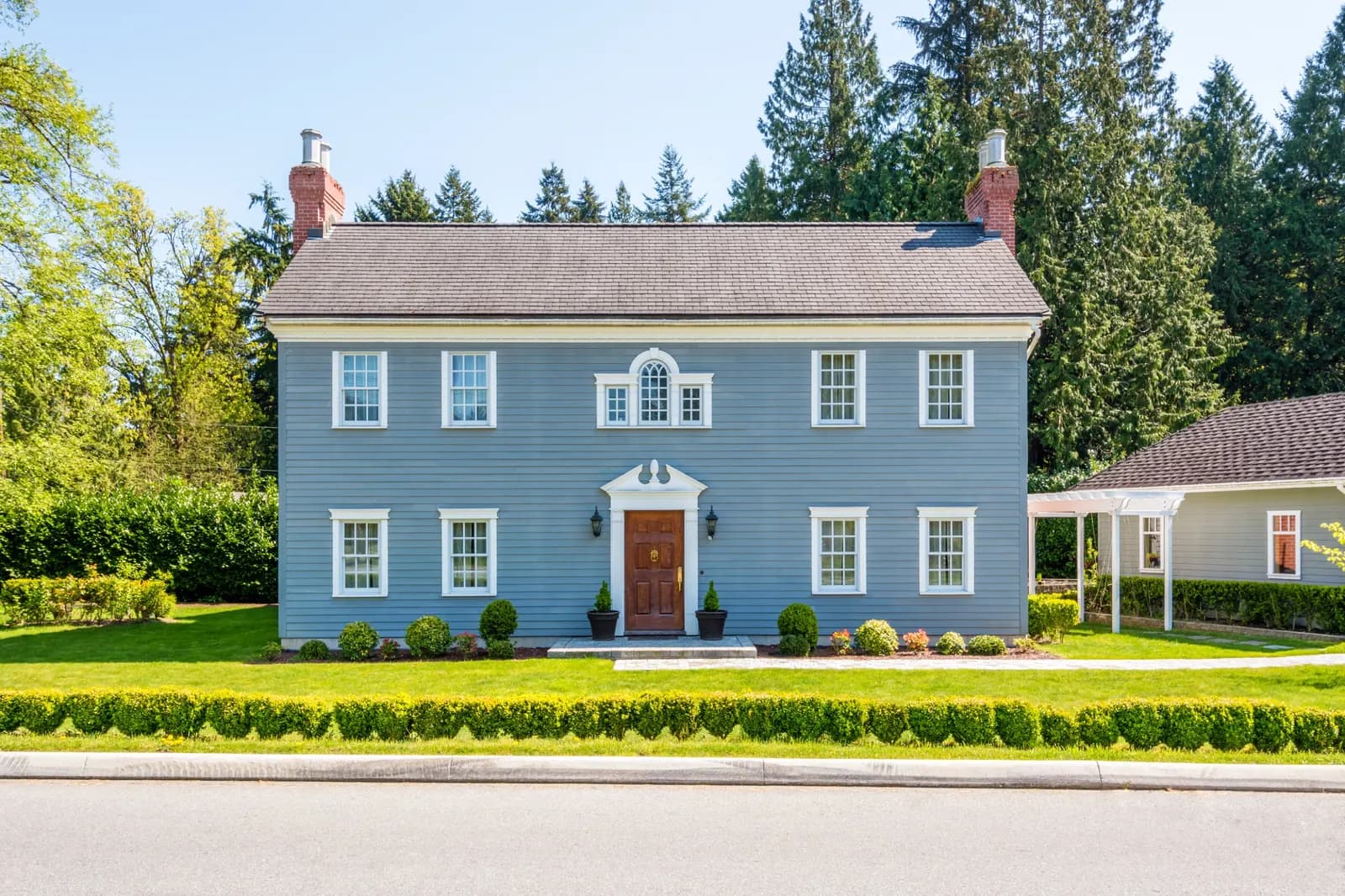
Picking the right time of year to paint your home's exterior is one of the most consequential decisions you will make before the first brush hits the siding. Hire a painter during the wrong season and you risk poor adhesion, bubbling, and peeling within a year, turning a significant investment into a do-over. In Massachusetts, that decision is shaped by temperature swings, coastal humidity, and a rental calendar that fills up faster than most people expect.
This guide covers the specific windows when conditions are right for exterior paint in New England, what the weather science behind those windows means for your home, and how to plan around the region's climate so your paint job holds up for years.
Why Temperature and Humidity Control Everything
Most exterior paints, whether latex or oil-based, require air and surface temperatures between 50 and 85 degrees Fahrenheit to cure correctly. Below 50, the paint film cannot form properly and adhesion fails. Above 85, the outer skin dries too fast and traps solvents underneath, leading to blistering. These are not edge cases. They happen regularly when painters rush a job during an early spring cold snap or push through a hot August afternoon.
Dew point matters just as much as air temperature. When the dew point climbs above 55 degrees, moisture settles on surfaces and mixes with wet paint, leaving a dull, chalky finish or causing outright adhesion failure. Relative humidity above 85 percent is a hard stop for most professional painters. Checking dew point, not just the five-day temperature forecast, is what separates a paint job that holds for a decade from one that does not.
Late Spring: The Best Window for Most Homes
May and June are widely considered the prime months for exterior painting in Massachusetts. Temperatures are moderate, typically ranging from the low 50s at night to the mid-70s during the day. Humidity is lower than summer, the ground has warmed enough that surfaces dry quickly overnight, and wood siding on a Cape Cod home has had time to shed the moisture it absorbed over winter. That last point matters more than most homeowners realize: painting over damp wood, even wood that looks dry, is a leading cause of early peeling.
One practical advantage of this window is that it falls just before the busy summer rental season. Homeowners who book exterior painting in April or early May get the work finished before tenants arrive, before summer crowds, and while painters are still scheduling freely. Waiting until June typically means a longer lead time and fewer open dates.
Early Fall: A Reliable Second Window
September and October offer a second solid painting window in New England. Summer humidity has dropped, temperatures are still reliably above 50 degrees through most of the day, and the light is better for spotting surface imperfections before they get painted over. Many homeowners overlook this stretch, which means contractor schedules are often more open than in spring. If you missed the late-spring window, early fall is not a consolation prize. It is a genuinely good time to paint.
The main constraint in fall is the closing weather window. By late October, nighttime temperatures in coastal Massachusetts frequently drop below 50 degrees, and a cold snap can arrive with little warning. A fall paint job needs to be fully cured before the first sustained cold arrives. For most of the region, that means finishing exterior work by mid-October at the latest.
Why Summer Is More Complicated Than It Looks
July and August look appealing on paper: warm temperatures, long days, mostly dry skies. But the ocean keeps humidity elevated through the hottest months along the Massachusetts coast. Dew points regularly climb above 60 degrees in July, which is right at the edge of what most exterior paints can handle. Direct afternoon sun can push surface temperatures well above air temperature, creating the same blistering problem as an unusually hot day.
This does not mean summer painting is impossible. Early morning starts, working in shade first, and choosing the right paint formulation can get the job done in summer. But it requires more careful planning than spring or fall. If you are working against a rental turnover deadline, make sure your painter is checking dew point forecasts every morning, not just the temperature outlook.
What the Local Climate Adds to the Equation
Salt air from the ocean is mildly corrosive and can shorten paint life on homes close to the water. Cedar shingles, common on older homes across the Cape, absorb and release moisture more than vinyl or fiber cement siding, so the drying window before painting is longer. A surface that looks dry may still carry elevated moisture content below the surface, especially after a run of foggy mornings or a recent rain.
The region also sees nor'easters in fall and spring that can delay work by several days at a stretch. Experienced painters build buffer time into the schedule rather than rushing back onto the siding the morning after a storm. Any surface that got rained on needs 24 to 48 hours of dry weather before painting, and rough surf days mean higher ambient humidity even when the sky looks clear.
How to Plan Around the Rental Season
If your home is a seasonal rental, the painting calendar starts with your first arrival date and works backward. Most rental properties on the Cape are booked from Memorial Day weekend through Labor Day, which means exterior painting needs to happen before May or after September. Spring is the more reliable choice: the paint has the full summer to cure before fall, and spring bookings fill faster than fall ones.
Reaching out in February or March for a May start is not unusual for properties with hard turnaround dates. If you wait until April, the best spring crews are often already committed through June. Coastal Premium Painting offers free estimates with no visit fee and no obligation, so calling in winter costs nothing and locks in your place on the schedule before the busy season starts.
Frequently asked questions
- What temperature is too cold to paint a house exterior in Massachusetts?
- Most latex exterior paints require a minimum air and surface temperature of 50 degrees Fahrenheit, and that temperature needs to hold for at least 24 hours after application while the paint cures. Some products are formulated for use down to 35 degrees, but that is a narrow margin in New England where overnight temperatures can drop quickly. When conditions are borderline, waiting a day is always less expensive than repainting.
- Can you paint a house exterior during summer in Massachusetts?
- Yes, but it requires more planning than spring or fall. The main risks are high dew points and hot surface temperatures in direct afternoon sun. Professional painters typically start early in the morning, work in shade as long as possible, and check dew point forecasts before each day. A stretch of dry, moderate weather in July or August can work well. If humidity is running high and temperatures are above 85 degrees, waiting a few days is usually the right call.
- How far ahead should I book exterior painting in New England?
- For spring work, booking 2 to 3 months ahead is realistic for most homes. If you have a rental property with a fixed move-in date, reaching out in February or March gives you the most options. Fall is typically more flexible, but experienced crews still fill up once September arrives. Getting a free estimate early is the simplest way to hold your place on the schedule without committing to anything upfront.
- Does salt air affect how long exterior paint lasts near the Massachusetts coast?
- It can, particularly on homes within a short distance of the water. Salt is mildly corrosive and can break down paint film faster than in inland areas. The main defense is thorough surface preparation: pressure washing, treating any bare wood, and priming before topcoats go on. With proper prep and a quality exterior paint suited for coastal conditions, a well-done paint job near the shore should last 7 to 10 years before needing a full repaint.
Related services
Found this helpful? Make us a preferred source on Google.
Ready for an exact price?
Get a free, no-pressure in-home estimate. Real numbers for your home, not a phone guess.