
Deck Staining Cape Cod: When to Restain, Prep and What to Use
· By Lucas Evangelista Rassilan
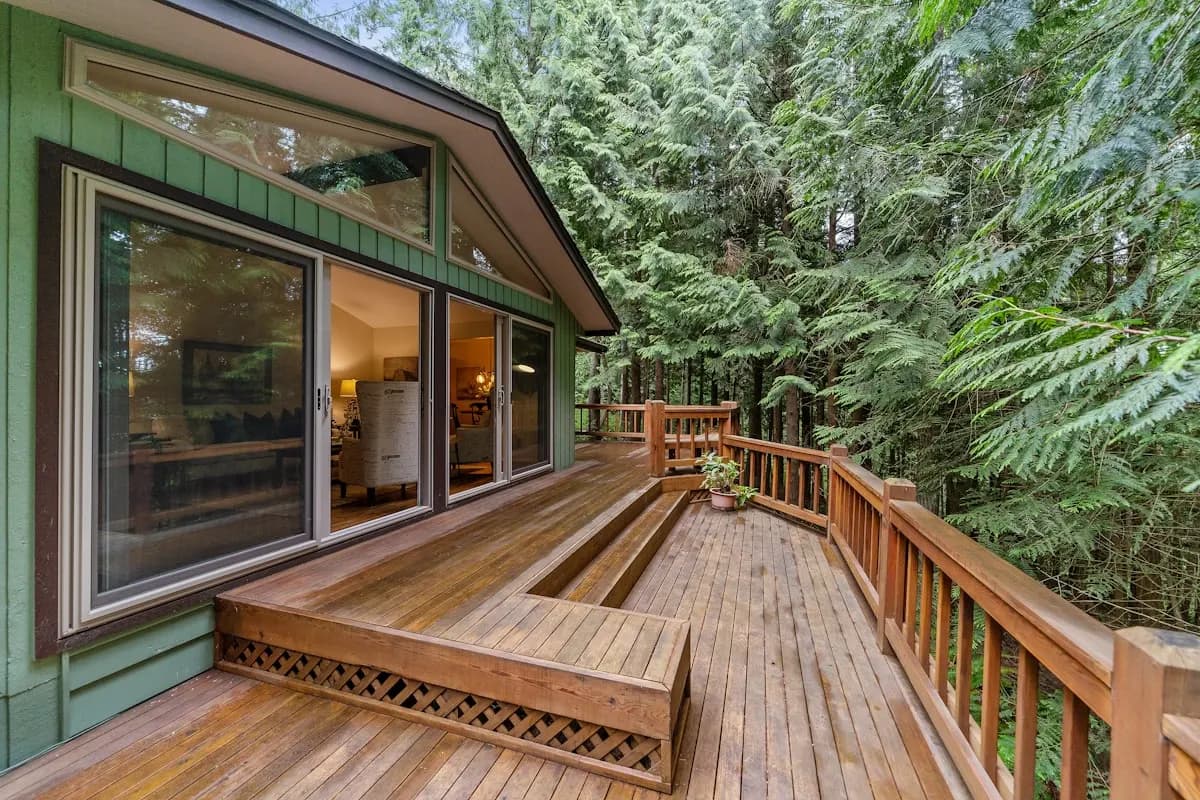
A deck on Cape Cod weathers differently than one in most other parts of New England. Salt air settles into wood grain between storms, UV from long summer days bleaches unfinished surfaces gray in a single season, and the freeze-thaw cycles between November and April force moisture into any crack that forms. Without a protective finish, most decks here show serious wear within two or three seasons.
Staining on a consistent schedule is the most effective protection you can give exterior wood in this climate. Done right, stain locks out moisture, slows UV degradation and keeps boards from splitting and splintering. This guide covers how to tell when it is time to restain, how to prepare the surface correctly, which products hold up in coastal conditions and what to expect from solid color porch floor coatings.
How the Cape Cod Climate Breaks Down Deck Stain
Salt particles in the air land on every horizontal surface and pull moisture into the wood grain. Combined with high humidity from late spring through early fall, that keeps wood from fully drying out between rain events. The constant wet-dry cycle swells and contracts the fibers, which eventually cracks the surface and opens pathways for deeper water intrusion.
Direct sun on a south or west-facing deck compounds the problem. UV radiation breaks down the lignin that holds wood fibers together, turning bare wood gray and brittle. By the time visible cracks appear, the structural surface has already been compromised. That is why timing the recoat before the finish is fully gone matters more in coastal areas than it does inland.
Signs Your Deck Needs Restaining
The simplest check is the water-bead test. Sprinkle a few drops of water onto the deck surface. If the water soaks in within a minute instead of beading up, the stain is depleted and the wood is exposed. That alone tells you it is time to recoat before the next wet season.
Visual signs to watch for include gray or silver discoloration, peeling or flaking finish, dark mildew staining in the grain and boards that feel soft or spongy underfoot. Any cracking along the grain means the wood has been cycling through wet-dry stress for too long. Staining at this stage is still worthwhile, but prep work becomes more involved and may require sanding or spot repairs first.
Cleaning and Prep: The Foundation of a Long-Lasting Stain Job
Prep is what separates a stain job that lasts four years from one that starts peeling the first winter. Every deck needs a thorough wash before staining. Power washing at the correct pressure removes mildew, dirt and oxidized wood fibers without damaging the surface. Soft washing is the better option for older or softer wood that could splinter under high pressure.
After washing, the deck must dry completely. On the Cape in the summer, two to three days of dry weather is usually sufficient, but shaded areas can hold moisture longer. Applying stain to damp wood is one of the most common causes of adhesion failure. Any peeling or flaking old stain should be sanded or stripped before new product goes down, and a wood brightener applied after washing opens the grain for more even penetration.
Semi-Transparent or Solid Color: Which Stain to Choose
Semi-transparent stain lets the wood grain show through while adding UV protection and color. It works best on wood that is structurally sound with a grain worth showing. The downside is lighter coverage over gray or discolored areas, and it needs reapplication more often, typically every two to three years on a deck exposed to full sun.
Solid color stain provides full coverage, hides discoloration and grayed wood completely, and lasts longer between applications, often four to six years with proper prep. The trade-off is that it shows wear and eventual peeling more visibly than a semi-transparent product. Once you go solid, switching back to a transparent finish requires stripping the old coating first, so choose with that in mind.
Porch Floors and Painted Deck Surfaces
Porch floors see different wear than typical deck boards. Foot traffic, furniture legs and direct sunlight from a fixed angle all wear the finish unevenly. A floor-grade porch paint or solid porch stain is the right product here, not a standard deck stain formulated for railings or horizontal decking. Applying the wrong product leads to premature wear and a surface that becomes slippery when wet.
Many older homes on the Cape have painted porch floors in traditional colors like dark gray, forest green or barn red. If the existing paint is in good condition, a thorough cleaning and a fresh topcoat is usually enough. Where paint is peeling or lifting, the old coating needs to come off before anything new will bond properly. Adhesion failures on painted floors almost always trace back to skipping that step.
How Long Deck Stain Lasts and When to Reapply
On a well-prepped deck, a quality semi-transparent stain typically lasts two to four years before it needs a maintenance coat. Solid color stain or porch paint generally runs four to six years. South-facing and fully exposed surfaces fall toward the shorter end of those ranges, while covered porches or north-facing decks tend to hold the finish longer.
Keeping the deck clean between stain jobs extends the finish. Rinsing off salt residue after storms, clearing leaves and debris that trap moisture, and doing a light wash each spring all slow the breakdown. When the stain is applied correctly from the start, maintenance coats are straightforward and cost significantly less than a full strip-and-redo.
To get a clear picture of where your deck stands and what it needs, Coastal Premium Painting offers free on-site estimates for deck staining, prep work and porch floor painting throughout Cape Cod and the surrounding region. Contact the team to schedule a no-charge assessment.
Frequently asked questions
- How often should I restain my deck on Cape Cod?
- Most Cape Cod decks need a fresh coat every two to four years for semi-transparent stain and every four to six years for solid color products. South-facing and fully exposed decks wear toward the shorter end of that range. The water-bead test tells you exactly when the finish is depleted, regardless of how long it has been since the last application.
- Can I stain a deck myself, or should I hire a painter?
- Many homeowners stain their own decks with good results. The critical part is cleaning and prep. Skipping or rushing those steps leads to adhesion failure no matter how good the stain is. A professional brings proper pressure washing equipment and can identify repairs, soft spots or problem boards before the stain goes down.
- What is the difference between deck stain and deck paint?
- Deck stain is designed to penetrate the wood or sit in a thin layer that flexes with seasonal wood movement. Deck paint forms a thicker film and is typically used on porch floors and railings where a durable, smooth surface matters. Standard exterior house paint is not a good choice for horizontal deck surfaces because it traps moisture underneath and peels.
- What time of year is best for deck staining on the Cape?
- Late spring and early fall are the best windows. You need temperatures consistently between 50 and 90 degrees with no rain in the forecast for at least 24 to 48 hours after application. Midsummer works, but intense afternoon heat can dry stain too quickly and cause lap marks. Apply in the morning, before the deck surface heats up, for the most even finish in hot weather.
Related services
Found this helpful? Make us a preferred source on Google.
Ready for an exact price?
Get a free, no-pressure in-home estimate. Real numbers for your home, not a phone guess.