
House Painters Maine: A Complete Guide for Coastal Homes
· By Lucas Evangelista Rassilan
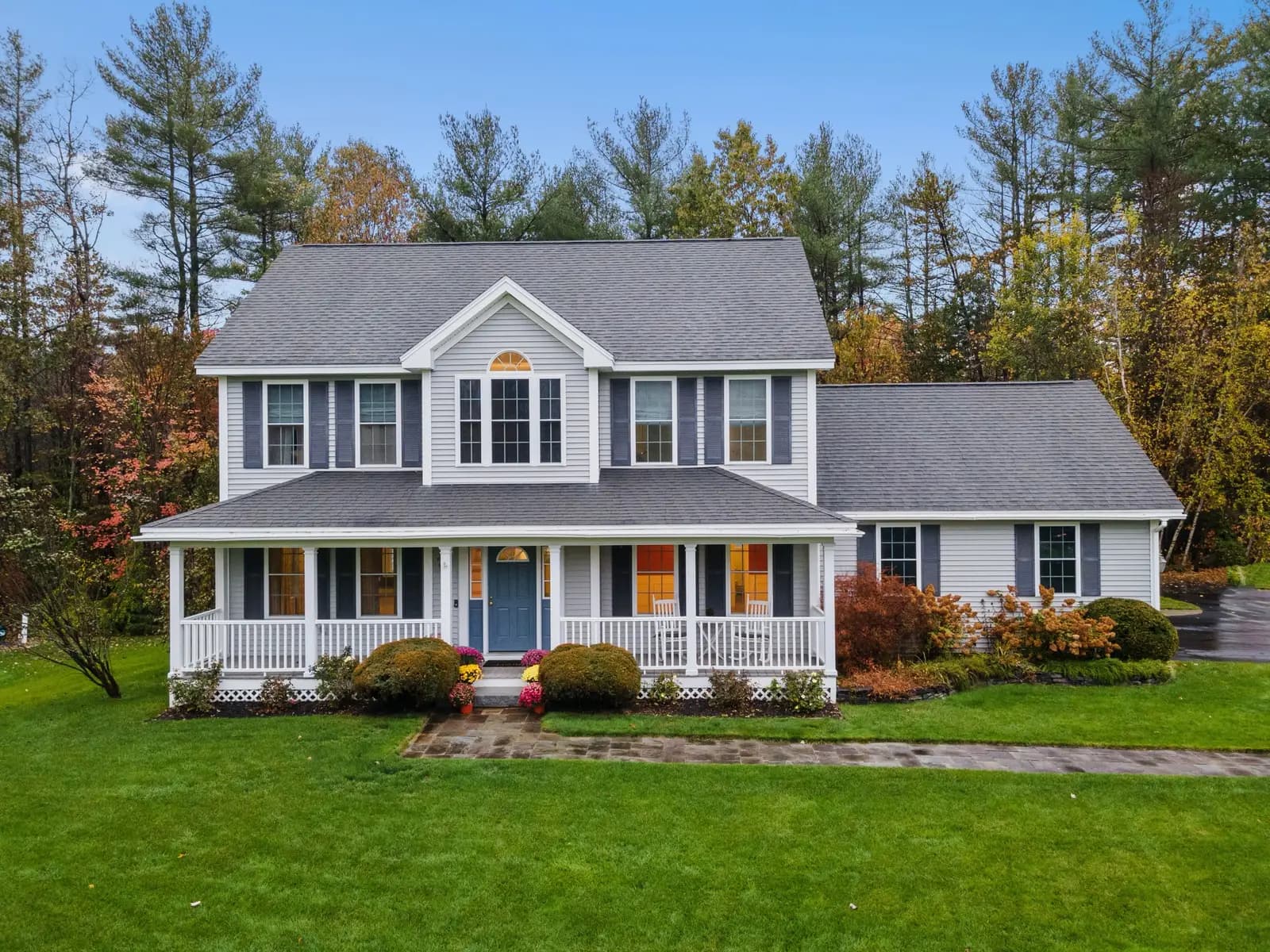
The homes along southern Maine's coastline take a beating every year. Salt air blowing in off the Atlantic, damp summers, and winters with hard freeze-thaw cycles give exterior paint very little time to breathe. If you own a home in Kittery, York, Ogunquit, or Kennebunk, paint that looks fine in June can start peeling by October if the prep work was not done right.
This guide covers what coastal homeowners need to know before hiring house painters in Maine, including the climate factors that drive paint failure, how to handle cedar shingles and shingle-style cottages, what to look for in products, and the best time of year to schedule the work.
What the Maine Coast Does to Exterior Paint
Salt air is the main culprit. Sodium chloride particles suspended in the sea breeze settle on siding and work into small cracks in the paint film. Over time they draw moisture with them, causing blistering and peeling from the inside out. Homes within a quarter mile of open water near York Beach or Ogunquit tend to need repainting more often than inland properties.
Freeze-thaw cycles add to the damage. Water gets under loose paint in autumn, freezes, and forces the film to lift. Add the UV load from long summer days and nor'easters driving horizontal rain into every gap, and you have conditions that test even quality paint. Proper prep and the right product are what separate a job that holds for eight years from one that fails in two.
Cedar Shingles and Shingle-Style Cottages
Shingle-style summer cottages are common along the southern Maine coast, from smaller beach bungalows in Wells to the larger estates in Kennebunkport. Many are sided with cedar shingles, which are porous and absorb moisture when the surface coating fails. When cedar goes untreated for several seasons, it grays and develops surface mold that must be fully cleaned before any new coating will adhere.
The first decision for a cedar shingle home is whether to use a solid-color stain or paint. Stains penetrate the wood fiber and tend to peel less dramatically because they do not form a surface film the same way paint does. Paint gives a more uniform finish and covers color changes well. The right answer depends on the shingles' current condition and what finish the homeowner wants to maintain going forward.
Choosing Exterior Paint for Coastal Maine Homes
For most coastal Maine homes, a 100 percent acrylic latex exterior paint is the standard choice. Acrylic is flexible enough to handle temperature swings without cracking, bonds well to primed wood, and resists the mildew that thrives in humid coastal air. Cheap paint from a discount shelf is false economy: the savings on the gallon price vanish when you are repainting three years later instead of seven or eight.
Look for formulas specifically rated for mildew resistance. The shaded north sides of homes in Kennebunk or York, where the sun rarely dries the siding fully, are especially vulnerable. Two coats are the minimum on bare or repainted surfaces, and priming any bare wood is not optional. A solid primer coat prevents tannin bleed on cedar and seals spot repairs so they do not show through the finish.
Exterior Prep: Where Paint Jobs Succeed or Fail
The preparation stage is where most paint jobs fail. Painting over dirty, peeling, or mildewed siding guarantees early failure regardless of how good the topcoat is. For coastal Maine homes, prep typically includes pressure washing or soft washing to remove salt deposits, mildew, and loose paint, followed by scraping, sanding rough edges, and caulking gaps around windows, trim, and siding joints.
Any bare wood exposed during scraping needs spot primer before topcoats go on. If the previous paint has widespread adhesion failure, it may need to be stripped further before recoating. Skipping these steps is the most common reason homeowners find themselves calling painters again two years after a job that should have lasted a decade.
Interior Painting for Maine Coastal Homes
Summer rental properties often need a full interior refresh between seasons. Walls that looked fine in spring can show scuffs and moisture stains from heavy summer use, and kitchens are a popular project because cabinet painting transforms a dated space without a full renovation. Cabinets hold up well under frequent cleaning once painted with the right product and proper prep.
Bathrooms and stairwells in older Maine homes hold moisture, so choosing a mildew-resistant interior paint matters as much indoors as it does outside. Any surface with active moisture intrusion needs to be addressed at the source first. Painting over a water stain without fixing the underlying leak is a short-term fix that will show through again within a season.
When to Paint a House in Maine
Exterior paint needs air temperatures between roughly 50 and 90 degrees Fahrenheit and low enough humidity to cure properly. In Maine, that window runs from mid-May through early October, with late spring and early fall being the most reliable stretch. High summer can work, but August afternoons with heavy humidity off the ocean can cause adhesion problems if surfaces do not dry fully between coats.
Many homeowners on the southern Maine coast schedule exterior work in September, after summer tenants have left and before the first frost. Temperatures are consistent, humidity tends to drop from the August peak, and scheduling is easier than the June rush. Interior work can happen any time of year, making it a practical option for homeowners who want to make progress on the house during colder months.
Finding Experienced House Painters in Maine
Experience with coastal conditions matters more than it might seem. A painter who mostly works inland may underestimate the prep required on a home that has faced salt air for thirty years, or choose products that do not hold up against the humidity. When evaluating painters, ask specifically about their prep process, what they recommend for your siding type, and whether they carry liability insurance.
Coastal Premium Painting is based on Cape Cod, where salt air, shingle-style homes, and hard New England winters are part of every job, and the company serves the southern Maine coast, including Kittery, York, Ogunquit, and Kennebunk. If you want a clear picture of what a paint job will cost on your home, reach out for a free estimate. There is no visit fee, and they respond the same day.
Frequently asked questions
- How often should I repaint the exterior of my Maine coastal home?
- Most coastal Maine homes need exterior repainting every five to eight years, though properties closest to open water may be on a shorter cycle closer to four to six. The condition of the existing paint is the real guide: widespread peeling or heavy chalking means it is time, regardless of when the work was last done.
- Can cedar shingles be painted, or should I use a stain?
- Cedar shingles can be painted or stained, and both can hold up well with the right prep. Solid-color stains penetrate the wood and tend to peel less dramatically than a surface paint film. Paint gives a crisper, more uniform look. If the shingles are already painted, staying with paint is usually the simpler path. If they are bare or previously stained, stain is often the better long-term choice for coastal conditions.
- What should I ask before hiring house painters in Maine?
- Ask about the prep process in detail: do they wash the siding, scrape and sand, prime bare wood, and caulk before painting? Ask what exterior products they recommend for coastal conditions and why. Confirm they are licensed and insured. A painter who jumps straight to price without explaining the prep process is worth evaluating carefully before you commit.
- Is fall a good time to schedule exterior painting in Maine?
- September and early October are often ideal. Temperatures are in the right range, humidity tends to drop from the summer peak, and scheduling is usually easier than during the busy spring and early summer. Just confirm the work wraps up before overnight temperatures drop consistently below 50 degrees, since latex paint needs adequate warmth to cure correctly.
Related services
Found this helpful? Make us a preferred source on Google.
Ready for an exact price?
Get a free, no-pressure in-home estimate. Real numbers for your home, not a phone guess.