
House Painters New Hampshire: A Home Painting Guide
· By Lucas Evangelista Rassilan
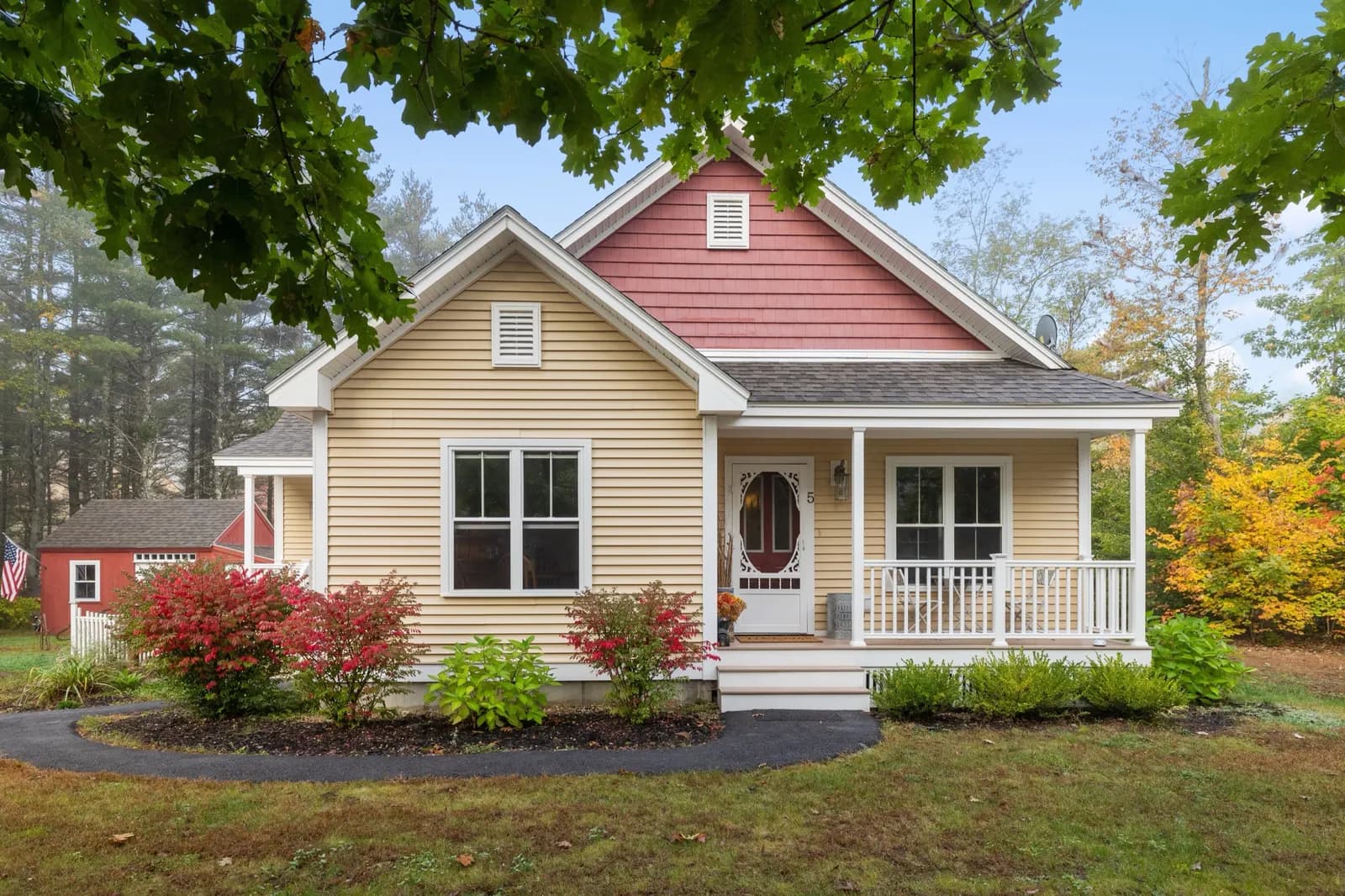
New Hampshire homes face some of the hardest weather in the Northeast. Winters come early, freeze hard, and linger into spring. The thaw-refreeze cycle is rough on paint film, especially on the older wood-frame colonials and farmhouses common in towns like Portsmouth, Exeter, and throughout the Lakes Region. Getting the painting right means understanding what the climate actually does to surfaces here.
This guide covers what homeowners should know before hiring house painters in New Hampshire: timing, prep, materials, and what to look for in a contractor. Whether you have a historic colonial on the Seacoast or a lakeside cape near Meredith, the decisions you make about paint and the painting process will determine how long that finish holds.
What New Hampshire's Climate Does to Paint
New Hampshire gets some of the most extreme temperature swings in the country. Surfaces can drop below zero in January and climb past 90 in August. That range creates constant expansion and contraction in wood and paint film. When paint cannot flex with those changes, it cracks, peels, and allows moisture in behind it.
The Seacoast adds another layer of stress. Salt air in Portsmouth, Rye, and Hampton accelerates oxidation in metal fasteners and degrades certain coatings faster than you would see fifty miles inland. If your home sits within a mile or two of the ocean, the choice of primer and topcoat matters more than it does in, say, Laconia or Concord.
The Painting Season: When to Schedule in New Hampshire
Exterior painting in New Hampshire operates on a tight calendar. Latex paint needs surface and air temperatures above 50 degrees Fahrenheit, and ideally above 60, to cure correctly. That window typically runs from mid-May through early October, and some years it closes faster in the northern part of the state.
Demand for good painters fills up quickly once the season opens. Many homeowners wait until July to call, only to find the best contractors are already booked through August. Calling in late winter or early spring, getting on a schedule, and having a plan before the warm weather arrives is the smarter move.
Exterior Painting for Colonial and Farmhouse Homes
Colonial and Cape-style homes dominate the residential landscape across New Hampshire, from the Seacoast to the foothills. Many were built in the mid-1900s or earlier and have original wood clapboard or cedar shingle siding. These materials perform well, but they require solid prep before paint can bond and hold through a New Hampshire winter.
Prep on older homes means scraping loose or peeling paint down to a sound surface, sanding edges smooth, spot-priming bare wood, and caulking gaps around windows, doors, and trim. Skipping any of those steps shortens the life of the finish. A properly prepped surface is what separates a paint job that lasts eight to twelve years from one that starts peeling in three.
Farmhouses and older Victorians in towns like Concord or Keene often have intricate trim work: corner boards, window casings, corbels, and porch details. These surfaces need careful masking and patience to do correctly, and they reward the extra time.
Interior Painting: A Year-Round Option
Interior painting is not subject to the same weather restrictions as exterior work, which makes it a practical choice for the winter months when exterior projects are off the table. For older New Hampshire homes, interior walls often carry multiple layers of paint going back decades.
If the existing surface is stable, a new coat over a primed surface bonds well. If there is significant chipping, cracking, or water staining, the underlying cause needs to be addressed before painting over it. Covering a water stain without fixing the source delays the problem and can lead to moisture and mold issues behind the new paint.
The Seacoast: Portsmouth, Rye, and Hampton
The Seacoast communities of New Hampshire, including Portsmouth, Rye, Hampton, and Exeter, have some of the oldest and most architecturally interesting homes in the state. Portsmouth in particular has a dense historic district with Georgian and Federal-style houses that call for careful attention to paint schemes, trim details, and the preservation of original woodwork.
Homes in Rye and Hampton Beach that face the ocean can see paint deterioration faster than properties just a few blocks inland. The teams at Coastal Premium Painting have worked on coastal homes across New England, from Cape Cod up through the NH Seacoast, and the prep requirements near salt water are consistent: a high-quality primer rated for high humidity, careful caulking around any penetrations, and two full topcoats.
Lakes Region: Meredith, Laconia, Wolfeboro, and Beyond
In the Lakes Region, towns like Meredith, Laconia, Wolfeboro, and Center Harbor have a large number of seasonal and year-round homes on or near the water. These properties have their own maintenance challenges. Lakeside humidity, shade from surrounding trees, and condensation on north-facing walls can cause paint to peel from the inside out if the substrate is not properly sealed.
Log and wood-frame camp-style homes common in this region often call for a semi-transparent exterior stain rather than a full paint system. These finishes penetrate the wood rather than forming a surface film, which reduces peeling risk on rough or weathered wood and suits the natural character of these properties better than a solid color would.
What to Look for When Hiring House Painters in New Hampshire
When evaluating house painters in New Hampshire, ask specifically about their prep process. The prep is where most shortcuts happen and where most paint failures begin. A reputable painter will walk you through what they plan to scrape, sand, caulk, and prime before they open a can of topcoat.
Ask about the products they use, whether they carry liability insurance, and how they handle warranty issues. A written scope of work protects both sides. Verbal estimates tend to get fuzzy by the time the job is done, so get the details in writing before anything starts.
Coastal Premium Painting is based on Cape Cod and serves New Hampshire as part of its regular service area. If you have a home on the Seacoast, in the Lakes Region, or elsewhere in the state, reach out for a free estimate. There is no visit fee and they respond the same day.
Frequently asked questions
- When is the best time to paint a house exterior in New Hampshire?
- The exterior painting season in New Hampshire typically runs from mid-May through early October. Surface and air temperatures need to stay above 50 degrees Fahrenheit, and ideally above 60, for latex paint to cure correctly. Booking in late winter or early spring, before the season rush begins, gives you the most flexibility on timing and contractor availability.
- Why does paint peel on New Hampshire homes?
- Peeling almost always starts with one of two causes: inadequate prep before painting or moisture getting behind the paint film. In New Hampshire, the freeze-thaw cycle pushes moisture in and out of wood repeatedly through the winter. If the surface is not properly sealed with a good primer and two topcoats, moisture finds a way in and lifts the paint from below.
- What paint finish works best on an older colonial home?
- For the main body of an older wood-clapboard colonial, a flat or low-sheen finish hides surface imperfections well and looks more authentic on historic homes. Semi-gloss is standard for trim, doors, and window casings because it holds up to cleaning and weathering better. The specific product matters as much as the sheen level: use a high-quality 100-percent acrylic formula for all exterior surfaces.
- How much does exterior house painting cost in New Hampshire?
- Pricing varies depending on the size of the home, the condition of the existing paint, the number of stories, and the complexity of the trim work. Most homeowners in New England pay somewhere in the range of $3,000 to $12,000 for a full exterior paint job, though larger or more complex homes can go considerably higher. The only accurate number comes from a free, on-site estimate based on your specific home.
Related services
Found this helpful? Make us a preferred source on Google.
Ready for an exact price?
Get a free, no-pressure in-home estimate. Real numbers for your home, not a phone guess.