
House Painters Rhode Island: A Homeowner's Guide
· By Lucas Evangelista Rassilan
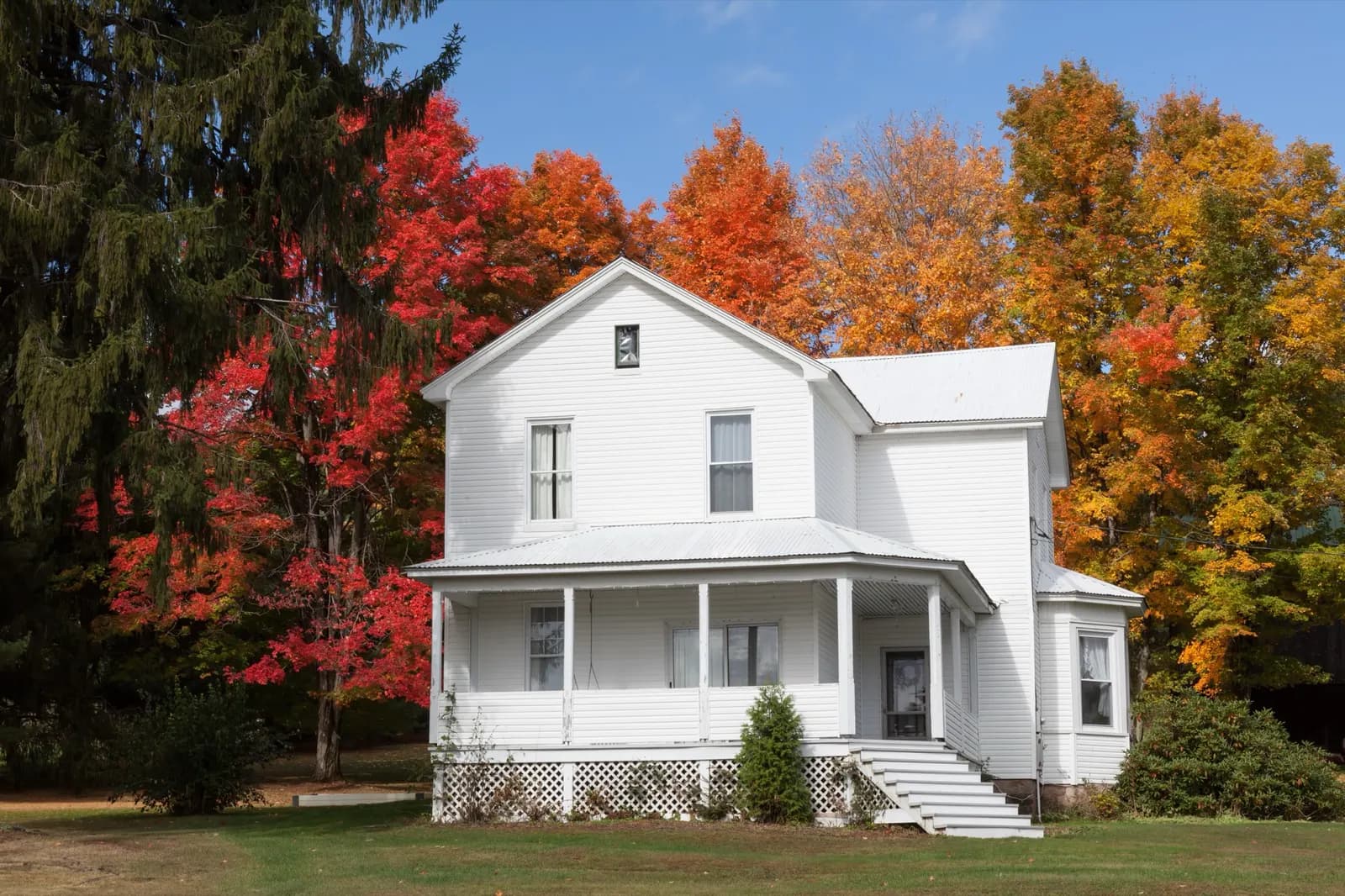
Rhode Island packs an enormous variety of housing stock into a small state. Newport's colonial streetscapes and Gilded Age mansions, the cedar-shingled cottages along the Narragansett shore, the Victorian neighborhoods of Westerly and Wakefield, all of them share one challenge: salt air off Narragansett Bay and the Atlantic eats paint faster than almost any other environment in New England.
This guide is written for Rhode Island homeowners who want to understand what drives paint failure, how to plan an exterior or interior project, and what to look for when hiring house painters in Rhode Island. Getting the right information up front saves money, prevents early callbacks, and means your home looks right for years instead of seasons.
Why Salt Air and Coastal Humidity Break Down Paint Faster
Narragansett Bay pulls moisture-laden air across most of the state year-round. Combined with the salt particles that settle on every surface within a few miles of the coast, that moisture gets under paint film and starts lifting it from the substrate. You will see it first at the bottom boards, around window casings, and wherever end grain is exposed.
Nor'easters accelerate the process. A strong storm drives rain horizontally into siding seams and forces water into spots that normal weathering never reaches. If the paint system is already compromised, a single bad storm can open up blistering across an entire wall face. This is why coastal homes in Newport and Narragansett that look fine in June can show significant peeling by October.
Exterior Painting for Colonial and Victorian Homes
Colonial-era homes in Newport and on Providence's East Side often have multiple layers of old lead paint on clapboard siding. Before any new coating goes on, a contractor needs to test, follow EPA RRP guidelines, and prep meticulously. Skipping that step leads to adhesion failure within a year, no matter how good the topcoat is.
Victorian homes in Westerly and Wakefield have elaborate trim: dentil moldings, bay window casings, porch balusters, decorative brackets. Getting those right takes more time and smaller brushes. A crew that rolls everything will miss the detail work. When you hire house painters in Rhode Island for a Victorian, ask specifically how they handle ornate millwork and what tools they use on trim.
Shingle-style cottages along the Narragansett shore have their own demands. Cedar shingles absorb stain more than paint, and they need to breathe. A film-forming paint applied too heavily over weathered cedar traps moisture and peels within two seasons. Solid stains or penetrating finishes designed for cedar consistently outperform conventional paint in this application.
Newport, Narragansett, and the Westerly Coastline
Newport's Historic Hill and Point neighborhoods have preservation guidelines that govern exterior colors. Before selecting a palette for a historic district property, check with the Newport Historic District Commission. They maintain an approved color reference that keeps neighborhoods visually coherent and protects property values on streets that have looked the same for centuries.
In Narragansett, the Shingle-style architecture near the beach gets hit from two directions: summer humidity that never fully dries before the next fog rolls in, and winter freeze-thaw cycles that work water into any crack the warm season softened. A thorough prep and prime system is not optional here, it is the difference between a paint job that lasts and one that starts failing in year two.
Westerly sits at the Connecticut border and catches southwest wind off Little Narragansett Bay. Homes on Weekapaug Road and near Misquamicut face constant wind-driven salt spray. If you are painting a home in that corridor, ask your painter about back-priming siding boards or applying a surface consolidant on weathered wood before the topcoat goes on.
Interior Painting in Rhode Island Coastal Homes
Older coastal homes in Newport and Narragansett were built before modern vapor barriers, and many still breathe more than a contemporary house. Interior humidity swings are wide: dry in winter when the heat runs, then humid in July and August when salt air rolls in with evening fog. Paints with higher moisture resistance in kitchens, bathrooms, and mudrooms are worth the extra cost in these conditions.
Historic interiors with plaster walls need surface evaluation before painting. Hairline cracks in plaster are cosmetic. Wide cracks or sections that flex when you press them need repair first. A painter who skim-coats over soft or hollow plaster without addressing the substrate is setting you up for bubbling and cracking within two years, regardless of paint quality.
Choosing the Right Paint for Rhode Island Conditions
For exterior work in Rhode Island, 100 percent acrylic latex has been the standard choice for years because it stays flexible through temperature swings and allows the substrate to breathe slightly. The question is not acrylic versus oil but which acrylic product fits your specific surface and how much direct coastal exposure it takes.
On facades with direct ocean exposure, some painters prefer a higher-build product that creates a thicker film barrier. These cost more per gallon but cover in fewer coats and add measurable durability. For trim, a harder acrylic enamel resists scuffs and stands up to the seasonal movement of doors and windows in a house that expands and contracts with New England weather.
Cedar shingles and older wood siding often perform better with a stain system than a heavy film-forming paint, especially where the surface has accumulated many layers over the decades. A contractor who reads the substrate and recommends the right finish category will save you from paying for a paint job that looks fine in year one and fails in year two.
When to Plan Your Painting Project in Rhode Island
The practical exterior painting window in Rhode Island runs from late April through October. You want air temperatures above 50 degrees Fahrenheit and no rain forecast for 24 to 48 hours after application. August and September are the most requested months, which means capable painters book out weeks in advance. If you are planning a summer or fall project, start getting estimates in March or April.
Interior projects have more flexibility. Painting inside through the winter works fine as long as the house is heated and humidity is controlled. Many Rhode Island homeowners use the winter months to get interior rooms done without competing for time with the busy exterior season.
What to Look for When Hiring House Painters in Rhode Island
Rhode Island requires contractor registration with the Contractors' Registration and Licensing Board. Ask for the registration number and verify it. For older homes, confirm the painter is EPA RRP certified to handle lead paint, which is common in pre-1978 houses throughout Newport, Providence, and Westerly. Those are baseline credentials, not extras.
References from comparable work, in comparable locations, tell you a lot. A painter with experience on Victorian restorations in Newport understands what that work requires at a level that most contractors do not. Ask to see photos of similar projects and, if possible, speak with a past client in a coastal setting.
Coastal Premium Painting is based on Cape Cod and works regularly in Rhode Island, covering coastal homes from Newport down to Westerly. If you have an exterior or interior project coming up, reach out for a free estimate. There is no charge for the visit, and you will get a straight answer on what your home needs and what a realistic timeline looks like.
Frequently asked questions
- How often do Rhode Island coastal homes need to be repainted on the exterior?
- Most coastal homes in Rhode Island need exterior repainting every five to eight years, compared to seven to ten years for homes farther inland. Salt air and moisture off Narragansett Bay accelerate film breakdown noticeably. Homes with southern or western exposure, which take the most direct sun, often reach the lower end of that range.
- What exterior paint holds up best near Narragansett Bay?
- A high-quality 100 percent acrylic latex from a reputable manufacturer holds up best in coastal conditions. It stays flexible through temperature swings and allows slight moisture movement without cracking or peeling. For bare or raw wood, an alkyd primer under the acrylic topcoat significantly improves adhesion and adds an extra moisture barrier.
- Can house painters work in Rhode Island during the winter months?
- Exterior painting stops reliably when temperatures drop below 50 degrees Fahrenheit, which rules out most of November through March in Rhode Island. Interior work continues year-round without issue. If you need exterior work finished in fall, have an early-start date in mind, since cold snaps in October can arrive faster than forecasts suggest.
- What should I ask before hiring a painter for a historic Newport or Westerly home?
- Ask whether they are EPA RRP certified for lead paint work, how they handle old trim details and millwork, what their prep steps are before priming, and whether they have done comparable historic restoration projects before. A painter who cannot give clear and specific answers to those questions is probably not the right fit for a home with complex surfaces and local preservation requirements.
Related services
Found this helpful? Make us a preferred source on Google.
Ready for an exact price?
Get a free, no-pressure in-home estimate. Real numbers for your home, not a phone guess.