
House Painters Vermont: A Complete Local Guide
· By Lucas Evangelista Rassilan
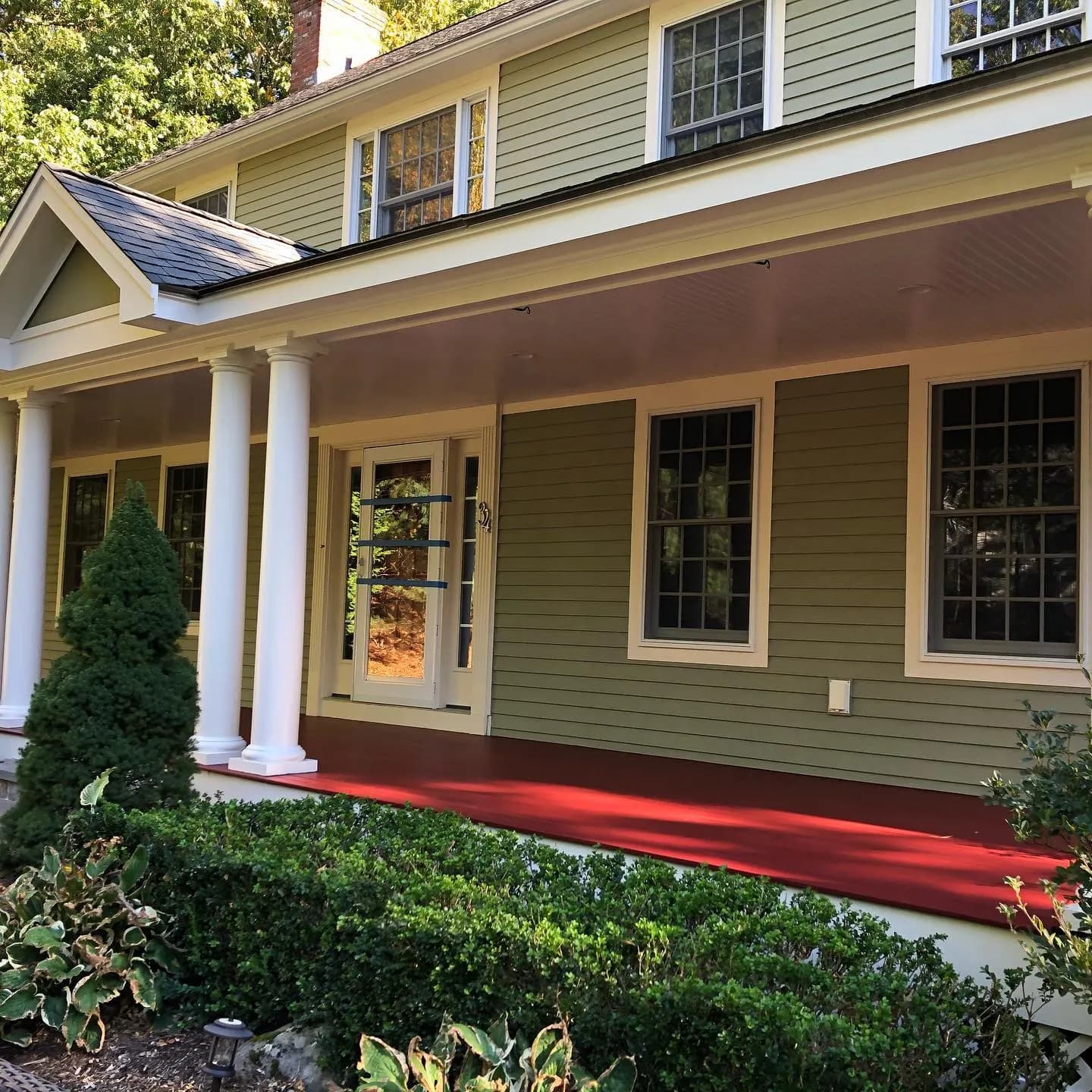
Vermont's climate puts paint to the test in ways that most homeowners underestimate. Winters run long, freeze-thaw cycles crack and lift coatings, and spring mud season adds moisture stress before you even get to summer. If you live in Stowe, Woodstock, Burlington or anywhere in between, understanding what works, and what does not, is the difference between a paint job that lasts eight years and one that starts peeling in two.
This guide covers exterior and interior painting for Vermont homes, from timing and product choices to prep work for historic farmhouses and ski chalets. Whether you plan to do some of it yourself or hire house painters in Vermont, the fundamentals here will help you make better decisions and get more years out of every coat.
Why Vermont's Climate Is Tough on Paint
Vermont sits in USDA Hardiness Zones 3 through 6, which means temperatures can drop below minus 20 degrees Fahrenheit in the Northeast Kingdom and stay below freezing for months at a stretch. The freeze-thaw cycle is the main enemy: moisture gets into wood or masonry, freezes, expands, and forces paint off from the inside. Homes near the Connecticut River valley face heavy snow loads, while the western side near Lake Champlain gets lake-effect moisture in fall and spring.
Proper preparation is not optional in this climate. Any moisture trapped under paint when temperatures drop will cause blistering and peeling within a season or two, no matter how good the paint is. This is why experienced house painters in Vermont spend more time on prep than on the actual application.
Best Time to Paint a House Exterior in Vermont
The exterior painting window in Vermont is short. Most experienced house painters in Vermont aim for late May through September, and even that window has limits. Surface temperatures need to be above 50 degrees Fahrenheit and rising, not falling, and you need at least 24 hours of dry weather after application. Night temperatures dropping into the 40s can slow curing and affect adhesion even if daytime is warm.
July and August give the most reliable conditions. If you can schedule exterior work between mid-June and mid-August, you will get the best cure time before fall rains arrive. Spring can work if you wait until mud season is fully over, usually late May in most Vermont counties. Never paint when frost is forecast within 48 hours of application.
Choosing the Right Paint for Vermont Weather
Exterior paint for Vermont homes should be a 100-percent acrylic latex formula with a low-temperature application rating. Some products are rated for use down to 35 degrees Fahrenheit, which buys you a few extra weeks on either end of the season. Look for formulas with mildewcide additives, since Vermont summers are humid and north-facing walls can stay damp for days after rain.
For historic wood siding, an oil-based or bonding primer under acrylic topcoat improves adhesion on weathered or bare wood. If you are painting over old lead paint, common in pre-1978 Vermont farmhouses, follow EPA RRP guidelines and use a bonding primer before topcoat. Glossier sheens hold up better in high-moisture areas like trim, soffits, and the areas under roof overhangs.
Historic Farmhouses and Barns: What Changes
Vermont has more 19th-century farmsteads and covered bridges per square mile than almost anywhere else in New England, and many homeowners are maintaining structures that have been painted and repainted dozens of times. Old barns often carry multiple layers of historic red oxide paint, which needs to be tested for lead and stabilized before new paint goes on.
Classic New England clapboard siding on farmhouses tends to be white or cream with dark shutters, a combination that holds up well because lighter colors reflect UV. If you are restoring original wide pine boards or beaded clapboard, avoid pressure washing at high settings that can raise grain and leave fibers loose. A light wash at low pressure, followed by hand scraping and sanding, gives you the cleanest surface for adhesion.
Ski-Country and Vacation Homes
Ski towns like Stowe, Manchester and Ludlow have a high concentration of second homes and vacation rentals that sit empty through mud season, then get heavy use in summer and during ski season. These homes face a specific challenge: they are often unheated for weeks at a time, condensation builds up inside when temperatures swing, and the exterior paint takes the full force of alpine UV in summer and ice accumulation in winter.
Exterior stains on board-and-batten or cedar shake siding, common on newer ski chalets, tend to perform better than paint because stain penetrates the wood rather than forming a surface film that can peel. Interior painting in vacation properties should lean toward low-sheen, washable finishes that handle heavy traffic well. Eggshell on walls and semi-gloss on trim is a practical combination that cleans easily and holds up to rental guests.
Interior Painting in Vermont Homes
Vermont interiors see specific stresses that differ from warmer states. Wood trim and doors expand and contract significantly through the year, so paint on window and door frames cracks along edges if not applied over a flexible primer. Rooms near wood stoves or pellet stoves build up a residue on walls and ceilings over time, and those surfaces need a stain-blocking primer before new paint, otherwise discoloration bleeds through.
Farmhouse kitchens and mudrooms get heavy use and benefit from cabinet-grade or semi-gloss finishes that wipe clean easily. Older Vermont homes often have plaster walls rather than drywall, and plaster can require skim coating or a bonding primer before paint to get a smooth, even finish.
Hiring House Painters in Vermont: What to Look For
When you hire house painters in Vermont, ask specifically about their experience with the local climate and older homes. A crew that mostly works on new construction may not have the prep skills or lead-safe practices needed for a 150-year-old farmhouse. Ask whether they will test for lead, what primer they use on bare or weathered wood, and what happens if the paint fails early.
Coastal Premium Painting is based on Cape Cod, Massachusetts, and serves Vermont along with the rest of New England. We take projects in Vermont along with the rest of New England. Reach out for a free estimate. We respond the same day and there is no fee for the visit.
Frequently asked questions
- When is the best time to paint a house exterior in Vermont?
- Late May through September is the practical window, with July and August being ideal. You need surface temperatures above 50 degrees Fahrenheit and rising, plus at least 24 hours of dry weather after application. Avoid any work when night temperatures are forecast to drop below 40 degrees Fahrenheit within 48 hours.
- What type of paint holds up best on Vermont homes?
- 100-percent acrylic latex with a low-temperature application rating is the standard for Vermont exteriors. For weathered wood or bare surfaces, an oil-based or bonding primer under an acrylic topcoat improves adhesion and longevity. On cedar shake or board-and-batten siding, penetrating stain often outlasts paint because it does not form a surface film that can peel.
- How often do Vermont homes typically need repainting?
- Most Vermont exteriors need repainting every 7 to 10 years with quality paint and thorough prep. Shaded north-facing walls or areas prone to moisture may need attention sooner. Homes with older, thinner layers of historic paint often need work more frequently because there is less film thickness protecting the wood underneath.
- What prep does a historic Vermont farmhouse need before painting?
- Test for lead paint if the home was built before 1978. Stabilize any loose or flaking layers before painting over them and use a bonding primer on bare wood. Avoid high-pressure washing on old pine or softwood siding, which can raise grain and weaken the surface for adhesion. Plan to spend more time on prep than on the actual painting.
Related services
Found this helpful? Make us a preferred source on Google.
Ready for an exact price?
Get a free, no-pressure in-home estimate. Real numbers for your home, not a phone guess.