
Exterior House Painting Cost on Cape Cod: 2026 Guide
· By Lucas Evangelista Rassilan
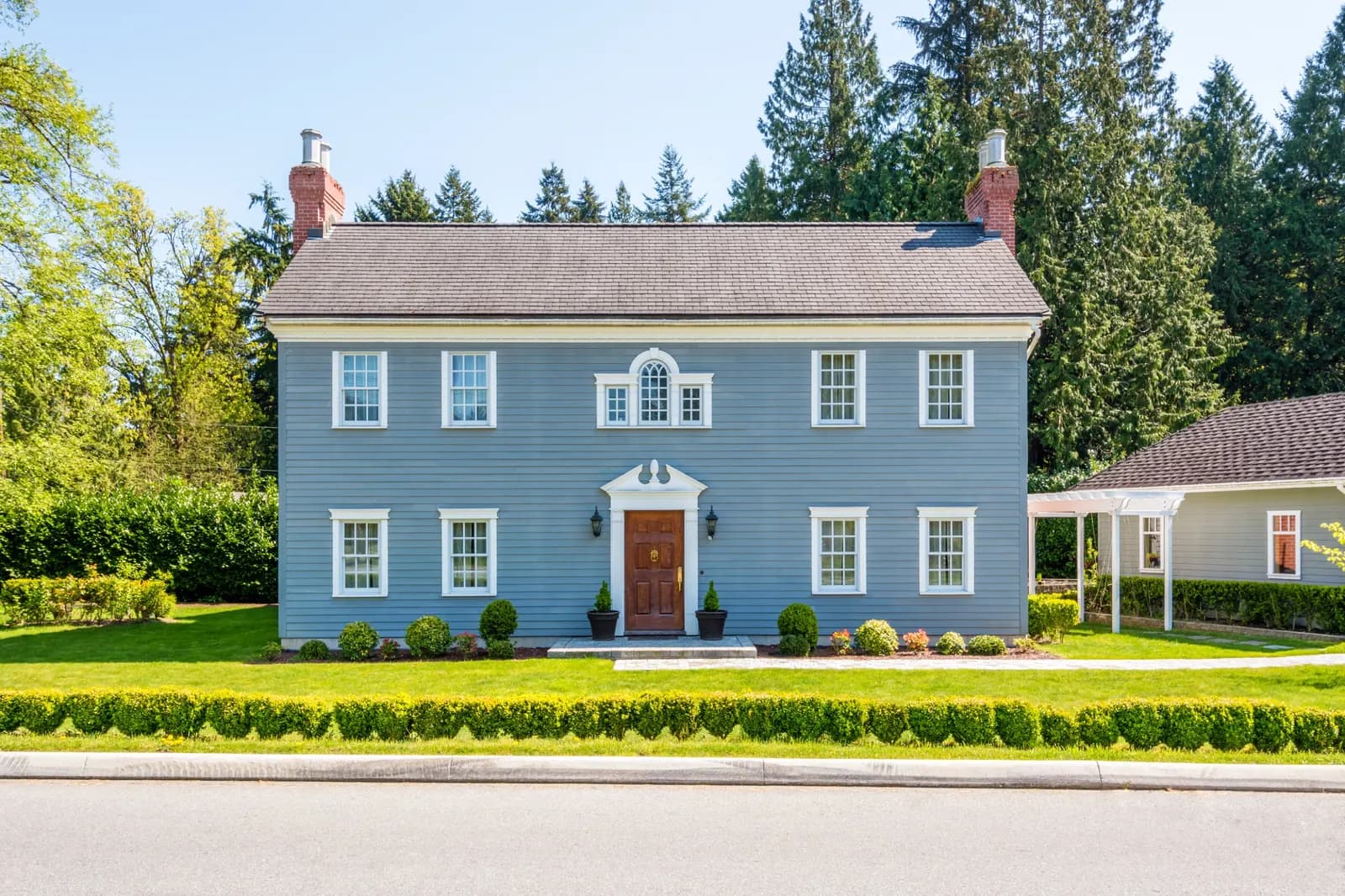
If you have ever asked a neighbor what they paid to have their house painted and gotten a number that seemed impossible to compare to your own situation, that is because exterior painting prices are driven by a long list of variables. A small ranch in Sandwich and a three-story shingle-style home in Chatham are both exterior paint jobs, but they are not the same project by any measure. This guide explains what actually determines the price so you can walk into an estimate with realistic expectations.
Cape Cod has its own set of conditions that push exterior painting costs in directions you would not see 50 miles inland. Cedar shingles on nearly every street, salt air that breaks down paint films faster than a dry inland climate, decades of nor'easters and humidity built into the wood: those details matter when you are budgeting, and they are worth understanding before you start collecting quotes.
What Exterior House Painting Typically Costs in 2026
For most single-story Cape Cod homes in the 1,000 to 1,600 square foot range, exterior painting typically runs somewhere between $3,500 and $6,500, though that range shifts in either direction depending on condition, prep needs, and what is included. Larger colonials or shingle-style homes in the 2,500 to 4,000 square foot range more commonly land between $8,000 and $16,000 or more. These are market averages for 2026, not any specific contractor's prices.
The only number that matters for your house is the one based on a walk-around of your actual property. What the ranges do give you is a reality check: unusually low bids often signal cut corners on prep or materials, and understanding what goes into a proper job helps you evaluate every quote you receive.
How House Size and Paintable Surface Area Affect the Price
Most exterior painters price primarily by paintable surface, not the square footage of the floor plan. A 1,500 square foot ranch with an 8-foot ceiling line has far less paintable area than a 1,500 square foot cape with dormers, steep gable ends, and multiple rooflines. Surface area, not footprint, is the more accurate measure of how long a job will take and how much product it consumes.
Doors, windows, and foundation lines break up the wall space but also add detail work, caulking, and masking time. A home with many windows, decorative trim, shutters, and a detailed fascia will cost more per square foot than a plain box of similar size, regardless of how big or small the total footprint is.
Cedar Shingles vs. Clapboard: Why Siding Type Changes the Cost
Cedar shingles are one of the defining features of Cape Cod architecture, and they are more time-intensive to paint or stain than smooth clapboard. Each shingle has exposed edges, gaps between courses, and an irregular surface that holds more product and takes longer to coat thoroughly. A shingle-sided house of the same square footage as a clapboard house will generally take more labor hours and more paint.
Staining cedar shingles is an option that some homeowners prefer for its natural look, since stain penetrates rather than sitting on top of the wood. Stain jobs on weathered shingles require thorough cleaning and sometimes a wash or brightener treatment first. The cost difference between painting and staining depends on the condition of the shingles and how much prep is needed before either product can go on.
Smooth clapboard and fiber cement siding are generally faster to paint and hold paint well when properly prepped. Vinyl siding can often be cleaned rather than painted, though painting is possible with the right primer and product.
Prep Work: Scraping, Repair, and Why It Drives the Final Number
Prep work is the part of an exterior paint job most people underestimate. On older homes, peeling paint, bare wood sections, rot pockets, failing caulk, and cracked siding are common. Scraping loose paint, spot-priming bare wood, filling holes, and replacing damaged boards can easily add $500 to $2,000 or more to a job depending on how much work the house needs before a brush ever touches it.
Skipping or rushing prep is the main reason exterior paint fails early. Paint applied over peeling or chalking surfaces will peel again within a year or two. When comparing bids, check whether prep is itemized or folded into a single number. A lower bid that skips thorough scraping and priming is not a bargain: it is a job you will be paying for again sooner than you should.
Stories, Dormers, and Difficult Access
Single-story homes are the most straightforward to paint. The moment a job goes to two stories, painters need taller ladders, staging in some areas, and more time moving equipment around the perimeter. That added labor typically adds 20 to 35 percent to the cost compared to the same size home at one story, though the exact figure depends on the layout and how much of the upper section is accessible with a standard extension ladder.
Cape-style homes, common throughout the region, often have 1.5 stories with dormers on the front or rear face. Those dormers create extra detail work and awkward angles that take more time per square foot than flat walls. Very steep roof pitches or tight clearances between structures can add further to the access time and therefore the cost.
Salt Air, Humidity, and Why Prep Is More Critical Here
Salt air accelerates the breakdown of paint films faster than you would see on a home 30 miles inland. Homes closer to the water in towns like Falmouth, Brewster, and Truro tend to show paint failure sooner than the same product applied in a less exposed location. This makes surface prep and product selection more important on Cape Cod, not less, because the environment is harder on paint from the first day it is applied.
Humidity, shaded north-facing walls, and the mildew that follows are also real factors here. Power washing or soft washing before painting is not just about appearance: it removes mildew, salt deposits, and chalk so the new paint bonds properly. Skipping that step is one of the most common reasons an exterior repaint fails before its time.
How to Get a Firm Number for Your Home
The price ranges in this guide give you a reasonable starting point, but the only accurate number comes from someone walking your property. Condition, story count, siding type, prep needs, trim detail, and product choice all move the final price in ways that no calculator can account for. A peeling shingle wall and a freshly painted house of the same size are priced very differently.
Coastal Premium Painting offers free estimates for homes across Cape Cod with no visit fee and a same-day response. Call or text (508) 299-9510 to get a clear number based on what your home actually needs.
Frequently asked questions
- How long does exterior paint typically last on Cape Cod?
- In a coastal climate with salt air and humidity, most exterior paint jobs last 7 to 10 years with proper prep and quality products. Homes in more exposed locations closer to the water may see paint life closer to 5 to 8 years. Thorough cleaning, good priming, and two solid finish coats help maximize how long the job holds up before it needs attention again.
- Is power washing or scraping included in an exterior painting estimate?
- It depends on the contractor and how the quote is structured. Some estimates include full prep: washing, scraping, caulking, and spot priming. Others separate prep labor and materials as a line item. Always ask what the quote covers before signing anything. Skipping prep to bring the price down is the most common reason exterior paint fails years before it should.
- Does going from one story to two stories significantly change the cost?
- Yes, in most cases. Two-story homes typically cost 20 to 35 percent more per square foot of wall area because of the extra time and equipment needed to safely reach upper sections. Three-story homes or those with very steep pitches can cost even more due to the specialized access required. The specific layout matters: some two-story homes with simple rooflines are easier to work on than a 1.5-story cape with complex dormers.
- What is the best time of year to schedule exterior painting on Cape Cod?
- Late spring through early fall is the best window. Paint needs temperatures above 50 degrees Fahrenheit and reasonable humidity levels to cure properly. Summer rentals make mid-season scheduling tricky for many homeowners, so booking earlier in the year, before the busy season, tends to give you more flexibility on timing and scheduling.
Related services
Found this helpful? Make us a preferred source on Google.
Ready for an exact price?
Get a free, no-pressure in-home estimate. Real numbers for your home, not a phone guess.