
Painting vs Staining Cedar Shingles on Cape Cod
· By Lucas Evangelista Rassilan
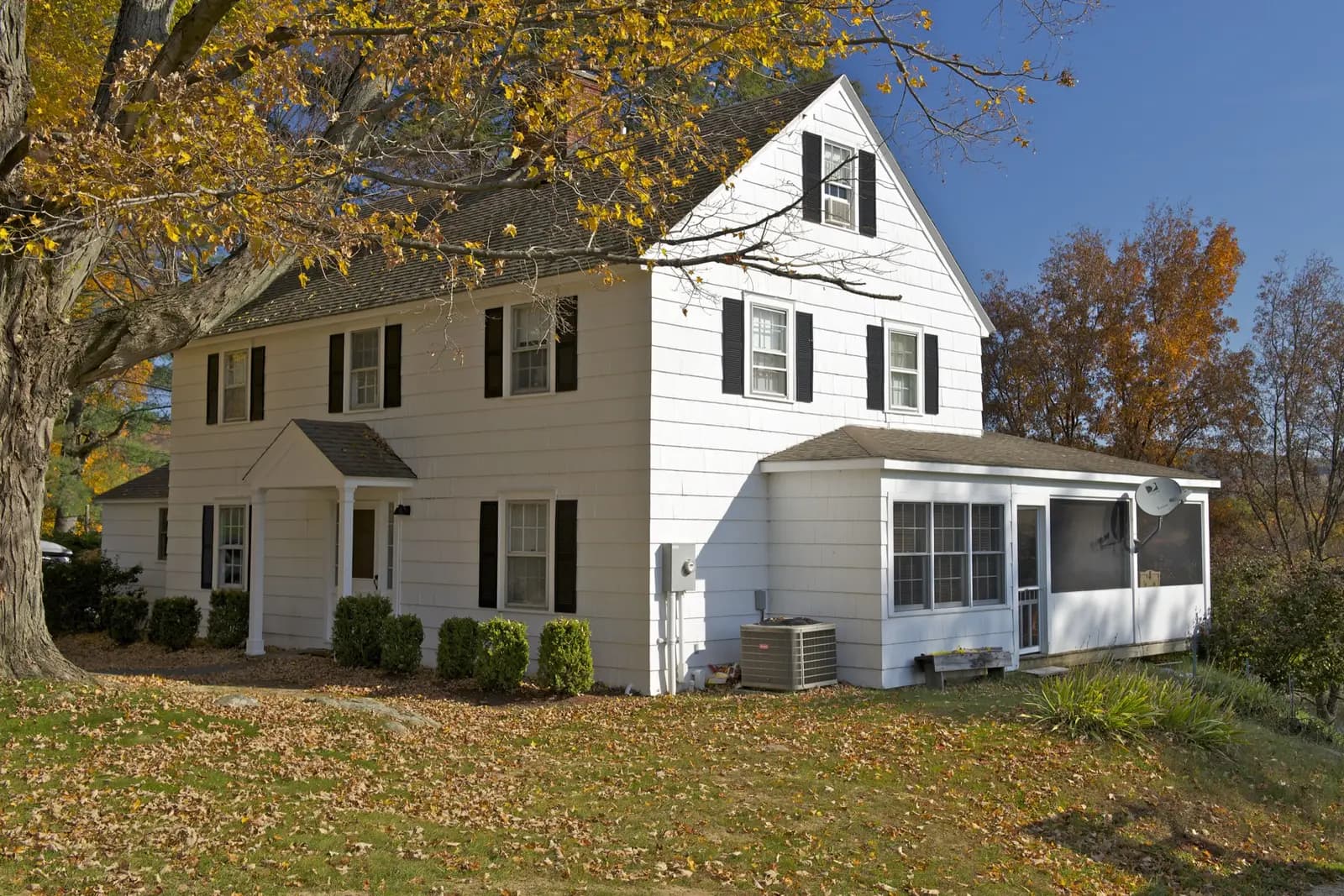
Cedar shingles have defined Cape Cod home exteriors for generations. Walk through any village in Chatham, Barnstable, or Falmouth and you will see them on everything from modest cottages to waterfront estates. The question most homeowners face is not whether to protect those shingles, but how: paint them, stain them solid, apply a semi-transparent stain, or leave them to weather naturally.
Each option performs differently once salt air, nor'easters, and summer humidity enter the picture. Getting the choice wrong means peeling, cracking, or premature wood rot, all of which cost more to fix than a correct coating applied from the start. This guide breaks down each option so you can decide what actually makes sense for your home.
Why the Coastal Climate Changes the Math
Cedar is relatively rot-resistant, but it is porous, and the coastal environment here is hard on any exterior finish. Salt air corrodes coatings from the outside. Moisture from fog, rain, and high humidity penetrates from the other direction. Add direct sun and persistent wind, and you have conditions that stress paint and stain faster than an inland address would.
Products rated for a certain lifespan in a mild climate may fall one to three years short here. That is not a product defect; it is the Cape. Shingles on south and west exposures also tend to wear faster than those on north or east walls, so the same house can have shingles in noticeably different condition depending on which side you are looking at. Surface preparation and product selection matter more than what the label promises.
Painting Cedar Shingles: Pros and Cons
Paint creates a fully opaque, film-forming layer on top of the wood. It offers the widest color range, clean coverage, and is easy to touch up when a shingle gets scuffed or dinged. High-quality exterior latex or acrylic paint applied over a primer typically lasts six to ten years on well-prepared cedar.
The downside is that paint seals moisture in as readily as it keeps it out. Cedar expands and contracts with temperature and humidity, and over time that movement causes paint to crack and peel, particularly on older shingles that have already gone through years of weathering. Once peeling starts, the next job requires scraping or stripping before anything new can go on, which adds labor cost and time. Paint is also largely a one-way decision: once cedar shingles are painted, switching to a transparent or semi-transparent stain later is essentially impossible without replacing the shingles.
Solid Stain: Durable and Simple to Recoat
Solid stain looks similar to paint from a distance and delivers the same opaque color, but it works differently. Instead of forming a surface film, it penetrates into the wood fibers, so it does not peel the way paint does. It wears gradually, which means recoating is straightforward: clean the surface, let it dry, and apply another coat without stripping.
The tradeoff is a somewhat shorter lifespan, typically five to seven years before recoating. It also cannot be touched up as precisely as paint. One practical note: solid stain performs best when the previous coat is also solid stain. If you are starting from bare wood, you have full flexibility. If you are coming off old paint, the same stripping step applies regardless. For most homeowners in this climate, the lower maintenance burden over time makes solid stain a strong choice, especially on older shingles where paint adhesion has become unpredictable.
Semi-Transparent Stain: Letting the Cedar Show
Semi-transparent stain lets the cedar grain and texture show while adding color and UV protection. On new or recently installed shingles, the results look excellent, particularly on homes where the natural character of the wood is a priority. Worth noting: semi-transparent stain is primarily an option for bare or lightly weathered wood. If shingles have already been painted or coated with a solid stain, the product cannot penetrate and the results will be uneven.
The honest limitation is durability. Semi-transparent stain typically needs reapplication every three to five years, and in full coastal exposure, sometimes closer to two to three. It also requires the cleanest surface of any option: mold, mildew, or gray weathering needs treatment before coating, or the stain will not penetrate correctly. It rewards careful prep and consistent maintenance cycles.
Leaving Cedar Shingles Natural: The Weathered Look
Untreated cedar weathers to silver-gray over three to five years. Many homeowners here specifically want this look, and it is genuinely low-maintenance once the wood has fully stabilized. Cedar has natural oils that resist rot, and plenty of historic homes across the Cape have unpainted shingles that have held up for decades.
That said, low-maintenance is not no-maintenance. Moisture and salt air deepen surface checks and cracking over time. Mold and mildew can take hold on north-facing or shaded walls. Even on shingles intended to weather naturally, applying a clear water repellent or penetrating wood preservative every few years slows deterioration significantly without changing the appearance. Skipping this on a newer home is the most common way to end up with shingles that need replacing far too soon.
How to Choose the Right Option for Your Home
The decision comes down to three questions: How much maintenance are you prepared to do? Does the wood appearance matter to you? What condition are the shingles in right now? For most homes here, solid stain offers the best balance of durability and simple recoating. Paint makes sense when sharp, opaque color is the priority and the shingles are in good condition. Semi-transparent stain is worth the shorter maintenance cycle when the wood character is the point. Natural weathering works, but only with a clear water repellent to back it up.
If the shingles are currently peeling, the first step is removing that old coating regardless of what goes on next. The existing condition narrows the options more than anything else. Coastal Premium Painting offers free estimates and can assess your specific shingles, exposure, and goals to give you a clear recommendation before you commit to any direction.
Frequently asked questions
- How long does stain last on cedar shingles compared to paint?
- Solid stain typically lasts five to seven years before recoating is needed. Semi-transparent stain is closer to three to five years, sometimes less in full sun or on a coastal-exposed wall. Quality exterior paint can last six to ten years on well-prepared cedar, but when it fails it tends to peel, which requires significantly more prep work before the next coat can go on.
- Can I switch from paint to stain on cedar shingles?
- Going from solid stain to paint is possible with proper surface prep. The reverse, from paint to stain, is much harder. Stain cannot penetrate through a paint film, so the old paint would need to be fully stripped or the shingles replaced. This is one reason the first coating decision on bare cedar matters as much as it does.
- What happens if I leave new cedar shingles completely untreated?
- They will weather to silver-gray within three to five years, which is a traditional look on many New England homes. But unprotected cedar absorbs more moisture, which leads to surface cracking, mold growth, and faster deterioration over time. Even on shingles intended to weather naturally, a clear water repellent applied every few years extends the life of the wood considerably.
- How much surface preparation does each option require?
- All three options need clean, dry wood with mildew removed. Paint and solid stain tolerate some surface imperfections but still need loose material cleared away. Semi-transparent stain is the most demanding because it needs the cleanest surface to penetrate correctly. If shingles are currently peeling from an old paint job, that layer needs to come off regardless of what goes on next.
Related services
Found this helpful? Make us a preferred source on Google.
Ready for an exact price?
Get a free, no-pressure in-home estimate. Real numbers for your home, not a phone guess.