
Painters Barnstable MA: A Local Home Painting Guide
· By Lucas Evangelista Rassilan
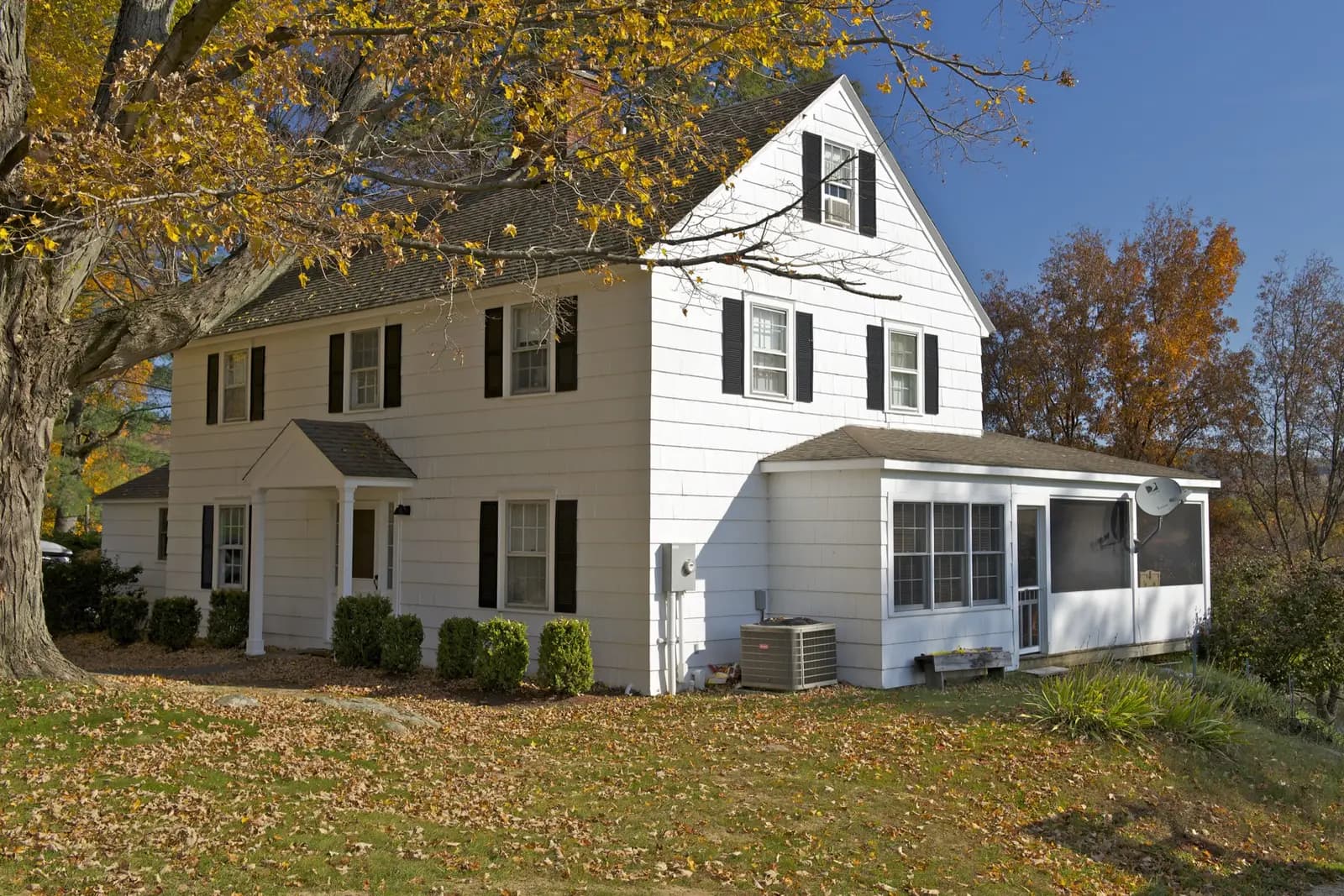
Barnstable is the largest town on Cape Cod, and it covers more ground than most visitors realize. From the busy commercial waterfront of Hyannis to the shingled estates of Osterville and Cotuit, the cedar-sided homes of Marstons Mills and West Barnstable, and the antique colonials near Barnstable Village, the town holds a wide range of housing stock, each with its own painting and maintenance demands.
The common thread is the Cape Cod environment. Salt air off Nantucket Sound, moisture from fog and persistent rainfall, and the freeze-thaw swings of a New England winter all stress exterior finishes faster than they would in an inland town. Understanding those forces is the starting point for any painting project here, whether you own a waterfront property in Osterville or a year-round cape in Centerville.
What the Cape Cod Climate Does to Exterior Paint
Salt air is the first thing that accelerates paint failure in Barnstable. Sodium chloride in the air settles on exterior surfaces and draws moisture into the paint film. Over time, that moisture causes blistering, peeling and mildew, especially on the north and east faces of a house that see the most moisture and the least afternoon sun.
Nor'easters compound the problem. A single storm can drive water under lap siding, behind window trim and into any hairline crack in the caulking. When temperatures drop after a storm, that trapped moisture expands and lifts the paint. Homeowners in exposed areas like Barnstable Village or the bluff neighborhoods near Hyannis Harbor tend to see this pattern more acutely than those a few blocks inland.
UV exposure is the other major factor. The reflective light off the water in areas like Cotuit and Osterville is intense during summer. That UV load fades pigment and makes surfaces chalky faster than the manufacturer's rated life might suggest. A paint that performs well in Worcester can fail early on a south-facing wall in Barnstable.
Village by Village: What to Expect Across Barnstable
Osterville and Cotuit have a concentration of large, older homes with complex rooflines, wide trim packages and traditional cedar shingle siding. Painting these properties takes more time and prep than a straightforward colonial, and the right paint choice matters more because the finished result needs to hold up against direct water exposure while still looking appropriate in a historic neighborhood.
Hyannis and Centerville have a mix of year-round ranch homes, capes and two-stories, many on tight schedules because owners rent them out seasonally. Timing the project around tenant turnover, often in late fall or early spring, is a common practical consideration. Marstons Mills and West Barnstable tend to have more wooded lots, which means north-side moisture and mildew are bigger concerns than salt air.
Barnstable Village itself has some of the oldest homes in town, including saltboxes and antique colonials with original wood siding. These homes often need careful surface prep, possibly including lead paint testing for houses built before 1978, before any new paint can be applied properly.
Exterior Prep: The Step That Decides the Result
On Cape Cod, skipping or rushing prep is the main reason exterior paint fails early. A thorough prep job includes power washing to remove salt deposits, loose paint, dirt and mildew, followed by hand scraping and sanding wherever existing paint has lifted. All cracks in caulking and siding gaps need to be opened, cleaned and resealed before primer goes on.
Priming is not optional on weathered wood. A quality bonding primer applied to bare or chalky wood gives the topcoat something to grip. On cedar siding, a stain-blocking primer prevents tannins in the wood from bleeding through the finish coat. Painters who know Cape Cod properties, like those at Coastal Premium Painting, understand how much prep time a weathered exterior in Barnstable actually requires. A rushed job that skips primer typically shows bleed-through and adhesion problems within a year or two.
Choosing Paint for a Barnstable Home
For exterior work in a coastal environment, 100 percent acrylic latex is the standard recommendation. Acrylic formulations stay flexible as temperatures shift, which helps them resist cracking, and they release moisture vapor rather than trapping it, which matters in a humid marine climate. For trim, a semi-gloss or high-gloss acrylic holds up well to the scrubbing that salt exposure demands.
Color matters beyond aesthetics in Barnstable. Very dark colors absorb more heat and cause the paint film to expand and contract more aggressively. On wood siding, that movement increases the risk of cracking at joints. The classic whites, soft grays and muted greens common on Cape Cod homes are not just traditional, they tend to be more stable under intense summer sun.
Interior Painting: What Barnstable Homeowners Should Know
Barnstable homes carry high interior humidity in summer, partly from marine air and partly from heavy seasonal occupancy in rental properties. That means moisture-resistant paints and thorough surface prep matter inside as well as outside. Kitchens, bathrooms and laundry areas in particular benefit from paint rated for high humidity, applied with a satin or semi-gloss sheen that holds up to regular wiping.
Many older homes in Hyannis and Barnstable Village have plaster walls rather than drywall. Plaster is a good canvas, but cracks and hairline fractures need to be properly repaired with joint compound before any paint goes on. Painting over untreated cracks will make them more visible, not less.
When to Repaint and What to Watch For
Most exterior paint on Cape Cod homes needs attention somewhere between seven and twelve years under average conditions. Waterfront properties or north-facing surfaces can reach the lower end of that range because of the conditions described above. Interior paint lasts longer, typically ten or more years if surfaces were prepared well, but high-traffic rooms can look tired after five.
The signs that an exterior needs painting sooner rather than later include visible peeling or bubbling, chalking (a white powder that rubs off when you touch the surface), significant color fading, caulking that has cracked away from joints, and staining around roof edges or window frames where water is finding its way in. Catching these early costs considerably less than waiting until the siding itself is damaged.
Coastal Premium Painting is based on Cape Cod and offers free estimates throughout Barnstable and the surrounding towns. If you are seeing any of these signs on your home, an honest on-site assessment now can save you a much larger repair bill later.
Frequently asked questions
- How often should I repaint the exterior of my Barnstable home?
- Most homes in Barnstable need exterior paint maintenance every seven to twelve years, though homes on or near the water often hit the lower end of that range because of salt air and direct sun. North-facing walls and areas shaded by trees can develop mildew that needs attention sooner. Regular spring inspections, checking for peeling, caulking failures and chalking, will help you catch problems before they become expensive.
- What is the best time of year to paint in Barnstable, MA?
- Late spring through early fall is the most reliable window for exterior painting on Cape Cod. Paint needs temperatures above 50 degrees Fahrenheit and reasonable humidity levels to cure properly. May through September generally offers the best conditions in Barnstable, though experienced painters can often work into October if the weather holds. Interior work can be scheduled year-round.
- Do I need special paint for a waterfront home in Osterville or Cotuit?
- You do not need a completely different category of product, but you should use a high-quality 100 percent acrylic exterior paint and have all bare wood primed carefully. The surface prep matters more than any specialty formulation in a coastal setting. Working with painters who understand how salt air and UV affect adhesion in this environment makes a bigger practical difference than the brand on the can.
- How much does it cost to paint a house in Barnstable, MA?
- Exterior painting for a typical Cape Cod or colonial in Barnstable most commonly ranges from roughly $3,000 to $8,000, depending on home size, the number of stories, the condition of the existing paint and how much prep work is needed. Larger waterfront properties in Osterville or Cotuit can run higher. Interior projects vary widely by room count. The only accurate number comes from a free, on-site estimate based on your specific home.
Related services
Serving
Found this helpful? Make us a preferred source on Google.
Ready for an exact price?
Get a free, no-pressure in-home estimate. Real numbers for your home, not a phone guess.