
Painters in Bourne, MA: A Local Guide to Home Painting
· By Lucas Evangelista Rassilan
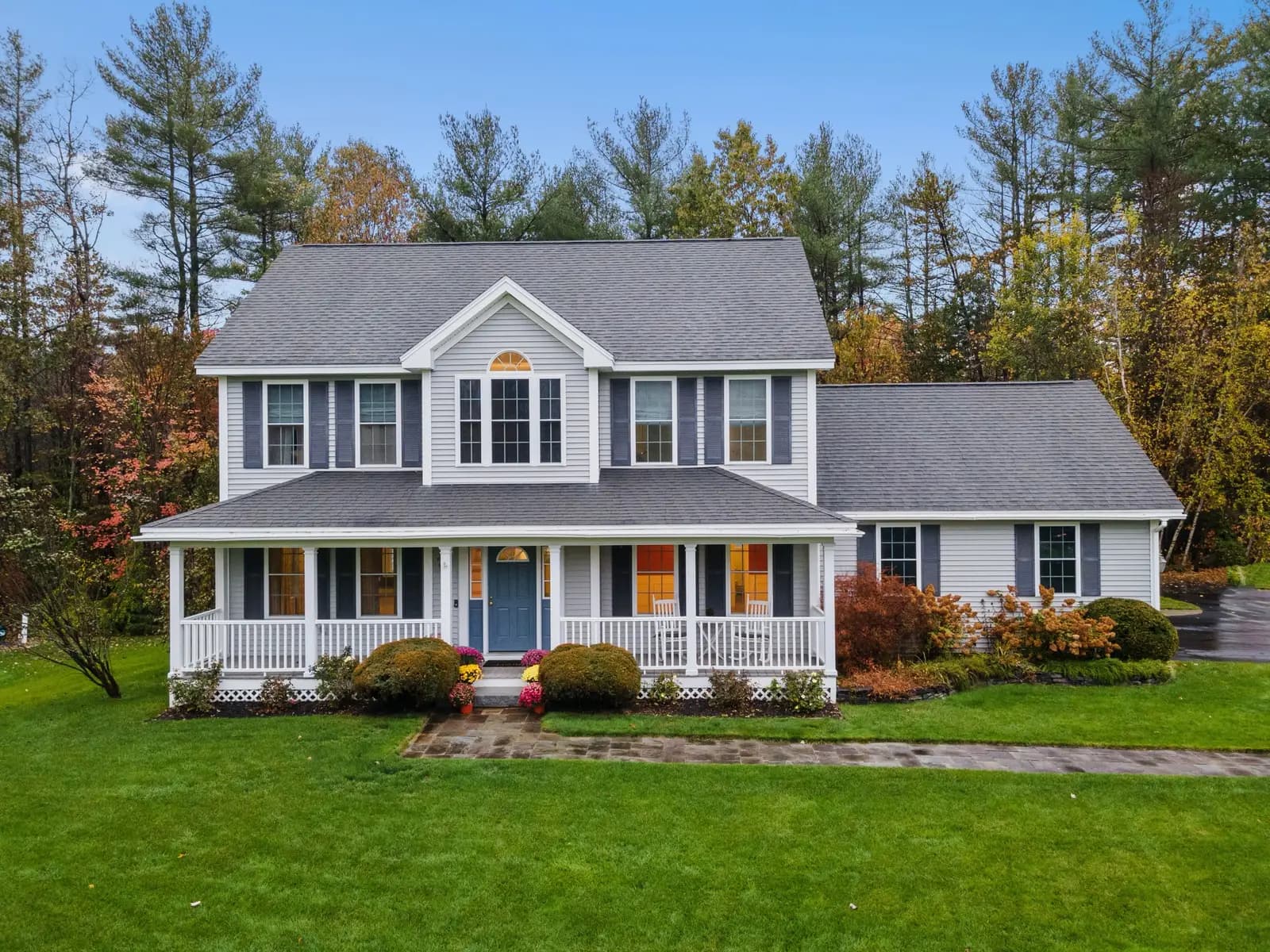
Bourne sits at the northern edge of Cape Cod, split down the middle by the Cape Cod Canal. The Bourne and Sagamore bridges carry traffic across that corridor, and homes on both sides of the water deal with conditions you will not find inland: salt air drifting off Buzzards Bay, persistent humidity along the canal banks, and the freeze-thaw cycles that come with nor'easters every winter. Those conditions work against paint faster than most homeowners expect.
This guide covers what you need to know about painting, prep, and maintaining a home in Bourne, whether you live in Buzzards Bay village, Pocasset, Monument Beach, or Cataumet. The coastal specifics matter a great deal when it comes to how long your paint will actually last.
Salt Air and Canal Humidity: What They Do to Your Paint
The Cape Cod Canal channels air off Buzzards Bay at all hours, and that air carries moisture and salt particles that settle onto painted surfaces facing west and southwest. Homes within a few hundred yards of the water tend to show paint failure two to three years earlier than similar homes a mile inland. The first signs are chalking, edge peeling on clapboards, and biological growth on north-facing walls.
Cedar shingles are common throughout Bourne and absorb moisture readily. Any spot where the paint film breaks down, even slightly, becomes an entry point for water. Regular inspection after the first hard frost helps catch those areas before they open up into larger failures that require more than just a fresh coat of paint.
Exterior Painting Prep: The Work That Determines How Long Paint Lasts
The most common reason exterior paint fails early on Cape Cod homes is insufficient surface preparation. Salt residue, mildew, and algae accumulate on siding over a season and need to be removed before any new paint goes on. Power washing handles most of it, and soft washing is the better choice for older painted surfaces where high pressure could lift loose paint or force water behind boards.
Bare wood, whether from previous paint failures or fresh repairs, needs priming before the topcoat. The constant expansion and contraction of wood siding through Bourne winters is hard on adhesion. A stain-blocking primer on cedar or pine also prevents tannin bleed, which causes brown staining through latex finishes. Skipping primer on bare spots is one of the most common shortcuts that leads to early failure.
For the topcoat, exterior latex formulas with built-in mildewcide hold up better in coastal humidity than oil-based products, which tend to go brittle after several New England winters. A satin or low-sheen finish handles moisture better than flat on horizontal trim and cleans more easily without burnishing.
Canal-Side vs. Cape-Side: Painting Differences Across Bourne
The mainland side of Bourne, particularly Buzzards Bay village, sits directly in the path of wind and salt coming off the open bay. Homes there, especially those with west-facing or southwest-facing facades, typically need exterior repainting every five to seven years. That is shorter than the seven-to-ten-year cycle more typical of homes further inland, and owners of waterfront or near-water properties should plan accordingly.
On the Cape side, Pocasset, Monument Beach, and Cataumet are more sheltered, though still coastal. Many properties in those villages are summer rentals or vacation homes that sit unoccupied through winter. A small area of peeling paint that develops in October can admit water all winter and require significantly more repair come spring. A quick fall walkthrough catches those spots before they compound.
Homes built before 1978 on either side of the canal may have lead-based paint. Any exterior work that disturbs those surfaces requires following RRP (Renovation, Repair and Painting) guidelines. Ask any contractor you hire whether they carry the certification for lead-safe practices, particularly for jobs that involve scraping or sanding.
Deck Staining, Soft Washing, and Roof Cleaning
Decks in Bourne take a beating. Summer humidity and UV, combined with wet winters, turn unprotected wood gray and rough within a couple of seasons. Penetrating semi-transparent stains work better on horizontal deck surfaces than solid coatings, which tend to peel and chip under foot traffic and Cape Cod weather cycles. The deck needs to be clean and dry before staining, which typically means late spring or early fall rather than midsummer.
Roof cleaning is worth considering if your home has black streaks on the shingles. Those streaks come from Gloeocapsa magma, an algae that feeds on the limestone filler in asphalt shingles and shortens their lifespan if left untreated. Soft washing with a low-pressure biodegradable solution kills it effectively without the shingle damage that high-pressure washing causes. Moss, more common on north-facing slopes or under overhanging trees, responds well to the same treatment.
Annual house washing, even when you are not planning to repaint, removes salt, pollen, and mildew that degrade paint over time. Keeping the surface clean between repaints extends paint life and reduces the prep work needed when you do paint next.
When to Schedule Painting in Bourne, MA
The practical exterior painting season in Bourne runs from late April through October. Most exterior latex paints require air and surface temperatures above 50 degrees Fahrenheit and surfaces that have been dry for at least 24 hours. Painting into November is possible on warm stretches, but cold overnight temperatures increase the risk of adhesion problems with fresh paint. Finishing exterior work before the end of October is the safer target.
If your Bourne home is a summer rental, the available windows compress quickly. Spring, before Memorial Day, and early September through October are the realistic options for most seasonal properties. Good painters on Cape Cod fill their schedules once the season opens, so getting estimates in March or April and booking early makes the scheduling much easier.
Coastal Premium Painting is based on Cape Cod and serves Bourne and the surrounding towns. If you are planning exterior painting, interior work, deck staining, or roof cleaning, reaching out for a free estimate gives you a real number to plan around. There is no visit fee, and they respond the same day.
Frequently asked questions
- How often should I repaint the exterior of my house in Bourne, MA?
- Most Bourne homes need exterior repainting every five to eight years. Properties in Buzzards Bay village or along the canal, with heavy exposure to southwest winds and salt air, tend to fall closer to the five-year end of that range. The practical guide is the condition of the existing paint: peeling, heavy chalking, or widespread fading all signal it is time, regardless of when the last coat went on.
- What type of paint holds up best near the Cape Cod Canal?
- Exterior latex with built-in mildewcide handles coastal humidity better than oil-based paint and outlasts it through New England winters. The specific product matters less than using a quality formula applied over a properly prepared surface. A painter familiar with Cape Cod conditions can point you toward products that have held up well in this climate.
- Can exterior painting be done in winter in Bourne?
- Not reliably. Most exterior latex paints require surface temperatures above 50 degrees Fahrenheit to cure correctly, and Bourne winters regularly drop below that threshold overnight even when daytime temperatures feel mild. A warm stretch in October or early November can work, but most exterior projects should wrap up before temperatures consistently fall to avoid adhesion problems.
- How much does it cost to paint a house in Bourne, MA?
- Costs vary based on the size of the home, the number of stories, how much prep work the surface needs, and the full scope of the project. Most homeowners in this part of Cape Cod typically see exterior paint projects range from several thousand dollars for a smaller single-story home to ten thousand dollars or more for larger or more complex properties. The accurate number for your specific home comes from an on-site estimate.
Related services
Serving
Found this helpful? Make us a preferred source on Google.
Ready for an exact price?
Get a free, no-pressure in-home estimate. Real numbers for your home, not a phone guess.