
Painters in Chatham, MA: A Local Guide to Home Painting
· By Lucas Evangelista Rassilan
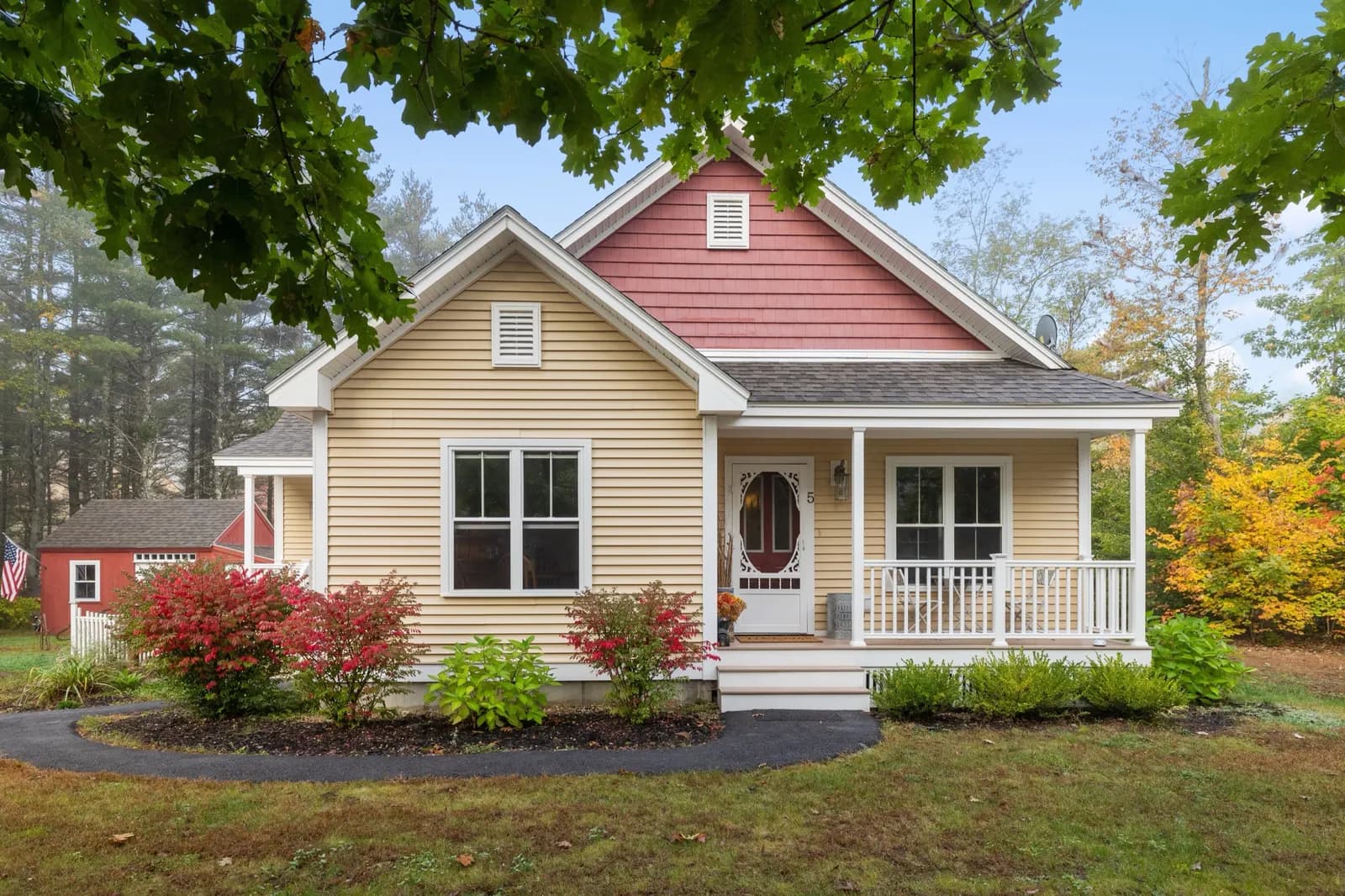
Chatham sits at the elbow of Cape Cod with the Atlantic on three sides, and that location is beautiful and unforgiving in equal measure. Homes near the Chatham Lighthouse, along Shore Road, and around Monomoy face relentless salt spray, nor'easters that drive water into every gap, and humidity that stays elevated from April through October. That combination eats paint faster than almost anywhere else in Massachusetts.
Whether you have a classic cedar-shingle colonial off Main Street, a newer home near the harbor, or a property that rents through the summer, the approach to painting here differs from inland work. This guide covers what Chatham's conditions actually do to paint, what prep and products hold up, and how to plan around the Cape Cod calendar.
What Salt Air and Moisture Do to Your Paint
Salt deposits don't just sit on the surface of your siding. They draw moisture into wood fibers and underneath paint films, which speeds up the cycle of chalking, bubbling, and peeling. Homes within a half mile of the water typically see significant paint failure in four to six years on surfaces that might last eight to ten years in a less exposed location.
South and west-facing walls take the most UV and weather damage. The worst peeling usually shows up at trim joints, window headers, and anywhere water can pond or collect. Dark streaks on siding and roofs are mold, mildew, or algae growing in trapped moisture. These need to be treated before painting, not painted over.
Reading Your Exterior Before You Schedule Work
Walk the perimeter of your house and look for chalking (a white powdery residue that rubs off on your hand), peeling at seams and joints, and areas where the paint film looks lifted or bubbled. These are signs that moisture has gotten behind the coating and that wood may be softening underneath.
On cedar-shingle homes, which are common throughout Chatham's historic neighborhoods, look for shingles that have split, cupped, or begun to separate at the butt edge. Check window and door frames for failed caulk, which dries out and cracks quickly in the coastal climate. Failed caulk is one of the most common entry points for water damage in older Chatham homes.
Prep Work: Why It Matters More Here
On Cape Cod, prep is not optional and cannot be rushed. Surfaces need to be clean, dry, and free of loose material before any coating goes down. For most Chatham exteriors that means a thorough wash: power washing works well on fiber cement and smooth clapboard, while soft washing is safer for older cedar shingles and surfaces with organic growth.
Bare wood, wherever old paint has peeled back to the substrate, must be primed before the finish coat. Bare cedar contains natural extractives that bleed through latex paint and cause staining and adhesion problems if not sealed first. Skipping the primer is one of the most common reasons a paint job fails early on the outer Cape.
Caulk all joints, seams, and gaps before painting. Use a paintable exterior caulk rated for wood surfaces, remove any cracked or failed old caulk first, clean the joint, and apply fresh. Caulking over old failed material is a shortcut that creates water problems within a season or two.
Paint Products That Hold Up in Chatham
For exterior painting on the Outer Cape, 100% acrylic latex is the standard choice. It stays flexible through temperature swings, resists mildew, and allows moisture vapor to escape from wood without blistering the film. Oil-based paints are rarely used on wood siding anymore: they become brittle over time, which is a liability in a climate with significant freeze-thaw cycling.
On cedar shingles, the choice between solid-color stain and paint is worth thinking through. Solid stain penetrates more deeply and tends to fade gradually rather than peel, which makes recoating easier over time. Paint builds a thicker surface film that can look sharp initially but is harder to maintain on natural cedar because the wood moves with humidity changes.
For trim, semi-gloss or satin finishes hold up better to salt and moisture than flat paint, clean more easily, and resist the mildew that tends to grow on flat finishes in shaded areas. Interior kitchens and bathrooms, particularly in homes that see heavy seasonal rental use, benefit from similar moisture-resistant finish choices.
When to Schedule Painting in Chatham
The working window for exterior painting on Cape Cod runs from late May through mid-October. Paint needs surface temperatures between about 50 and 90 degrees Fahrenheit and relative humidity below 85 percent to apply and cure correctly. Spring mornings on the Outer Cape can be cold and damp well into May, and fall fog can close the season earlier than you would expect.
Many Chatham homeowners schedule exterior work in September or early October. The summer crowds have left, contractors have better availability, temperatures are still reliable, and there is typically a stretch of dry weather before nor'easters become frequent. If your property is a summer rental, that timing also keeps construction off the schedule during peak season.
Interior painting has a much more flexible schedule. The off-season months from November through April are ideal: the house is lightly used, humidity is lower indoors with the heat running, and you are not competing with every other homeowner for a painter's time.
Finding Painters in Chatham, MA
When comparing painters for a Chatham project, ask specifically about their prep process for coastal conditions and what they do when they encounter bare wood or damaged substrate. A contractor who moves straight to the finish coat without addressing those issues will cost less upfront and significantly more over the next few years.
Coastal Premium Painting is based on Cape Cod and serves Chatham and the surrounding area. The team handles exterior and interior painting, power washing, soft washing, roof cleaning, deck staining, and cabinet painting, with a warranty: if something is not right after the work is done, they come back and fix it.
For a free estimate with no visit fee and a same-day response, call (508) 299-9510.
Frequently asked questions
- How often should I repaint the exterior of my Chatham home?
- In a heavily exposed location near the water, most homeowners find the exterior needs repainting every four to six years, compared to the eight to ten year cycle you might expect further inland. South and west-facing walls often need attention sooner. Regular washing and prompt caulk repairs between paint cycles can meaningfully extend the life of a good paint job.
- Should I use solid stain or paint on cedar shingles?
- Both work, but they behave differently over time. Solid stain penetrates the wood and tends to fade gradually rather than peel, which makes recoating easier. Paint builds a thicker surface film that can look crisp initially but is harder to maintain on natural cedar because the wood moves with humidity changes. If the shingles have never been painted before, solid stain is usually the better long-term choice.
- What causes the black streaks on my roof and siding?
- The dark streaks common on roofs and siding throughout coastal Massachusetts are usually a cyanobacteria called Gloeocapsa magma, which thrives in humid, salt-air conditions. It is not structural damage, but it holds moisture against the surface and accelerates deterioration. Soft washing with a low-pressure treatment removes the growth without damaging shingles or siding. The surface should be clean and dry before any coatings go down.
- When is the best time of year to schedule exterior painting in Chatham?
- September and early October are the most practical window for many Chatham homeowners. The tourist season is over, contractors have better availability, and temperatures are stable before nor'easters become frequent. Late May through late August works as well, though summer humidity can complicate scheduling and most painters are fully booked through that period. Interior work has a much more flexible schedule and is often easiest to plan for the off-season months.
Related services
Serving
Found this helpful? Make us a preferred source on Google.
Ready for an exact price?
Get a free, no-pressure in-home estimate. Real numbers for your home, not a phone guess.