
Painters in Harwich MA: Local Home Painting Guide
· By Lucas Evangelista Rassilan
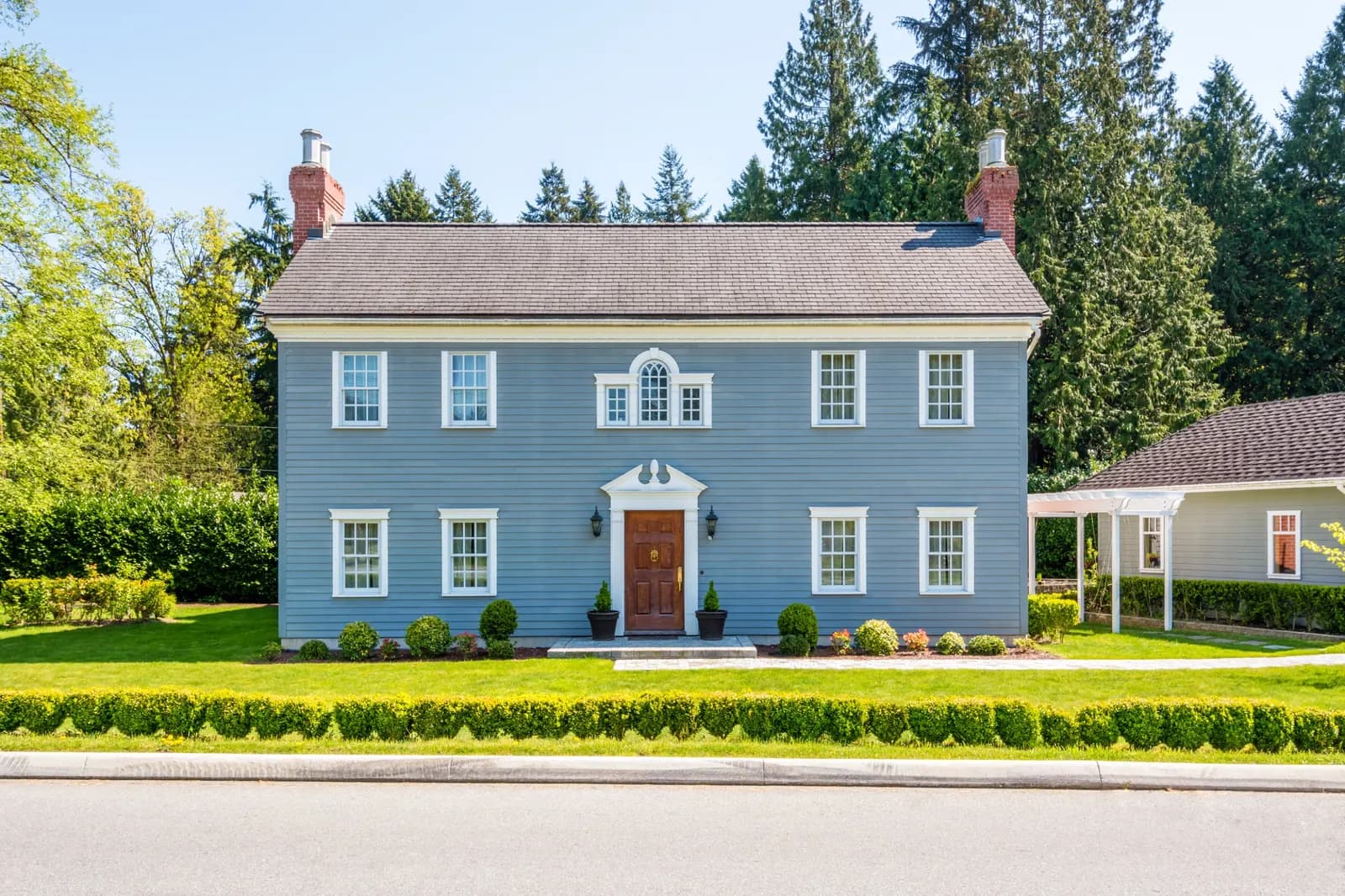
Harwich runs from cranberry bogs and kettle ponds in the north down to the beaches along Nantucket Sound, with the villages of Harwich Port, West Harwich, and North Harwich each having their own character. What they share is a coastal climate that is genuinely hard on paint, wood, and exterior finishes, especially on homes close to the water near Wychmere Harbor and Saquatucket Harbor.
This guide covers what experienced painters in Harwich, MA actually deal with on the job: salt-air degradation, cedar shingles, timing, and the prep work that separates a paint job that lasts eight years from one that starts peeling in three. Whether you are getting ready for summer renters or finally tackling a repaint that has been on your list for a while, understanding the local conditions will help you make better decisions.
What the Coastal Climate Does to Exterior Paint
Homes in Harwich Port and along the south-facing streets near Nantucket Sound get a steady supply of salt air, humidity, and UV exposure from spring through fall. Salt penetrates wood slowly, draws moisture in behind paint film, and breaks down the bond between coatings and the substrate over time. South- and west-facing walls take the most punishment because they also absorb the most direct afternoon sun.
Homes within a few blocks of Wychmere Harbor or Saquatucket Harbor tend to show paint wear faster than those set back on higher ground. That does not mean painting is more difficult here, but it does mean the grade of primer and topcoat you choose has a real effect on how long the finish holds. A quality 100% acrylic exterior paint over a proper primer will outlast a builder-grade product by several years in this environment.
Cedar Shingles: Stain or Paint?
A large share of Harwich homes are sided with cedar shingles, and the choice between staining and painting them is worth thinking through before you start. A penetrating solid-color stain soaks into the wood rather than forming a film on top, which means it does not peel in the same way a surface paint can when moisture gets underneath. On shingles that have never been coated or are only weathered gray, a penetrating stain is usually the more durable option in a wet, salty climate.
If the shingles have already been painted, the decision is largely made for you. Stain will not bond well over paint, so stripping and repainting is the practical path. Either way, preparation is the deciding factor. Loose fibers, chalky old paint, and any mildew need to come off completely before anything new goes on, or the new coating will fail at the surface no matter how good the product is.
Prep and Power Washing Before You Paint
Before paint or stain goes onto any Harwich home, the surface needs to be clean and dry. Homes near the harbors and Nantucket Sound accumulate salt deposits, algae, and mildew that are not always obvious until you look closely or run your hand across the siding. Power washing removes most of that buildup. In some situations, soft washing at lower pressure with a cleaning solution is a better choice, particularly on older wood where high pressure can raise grain or force water into gaps.
Roof cleaning is worth considering at the same time. Moss and black algae streaks are common on Cape Cod roofs and both hold moisture that shortens shingle life. Painting over a dirty or contaminated surface is the most common reason a paint job fails early, so the cleaning stage is not a step to rush or skip.
Timing Exterior Work in Harwich
The reliable window for exterior painting in Harwich runs from late May through early October. Surface temperatures need to stay above roughly 50 degrees Fahrenheit for most exterior paints to cure correctly, and overnight lows in April and November can still dip below that threshold. Applying paint when temperatures are marginal leads to poor adhesion and early failure.
Summer itself brings a different challenge: late July and August can be hot and humid, and painting a south-facing wall in the middle of the afternoon can cause the paint to dry too fast and leave lap marks. Experienced painters schedule the hottest walls for early morning or late afternoon. Interior painting can happen any time of year, which makes fall and winter a reasonable time to get that work done without competing for contractor availability.
Deck Staining and Wood Maintenance
Decks in Harwich take heavy use through the summer season and then sit exposed to rain, cold, and UV through the winter. An unprotected wood deck surface ages quickly under those conditions. Cedar and pine decks benefit from a fresh stain every two to four years depending on sun exposure and how well the deck drains. Composite decks need far less maintenance, but they still benefit from periodic cleaning.
The prep process for deck staining follows the same logic as siding: clean thoroughly, let the wood dry completely (a full week of dry weather after rain is not excessive on a coastal property), and address any loose boards or popped nails before applying any coating. Decks that have been painted rather than stained will eventually need to be stripped back to bare wood, since paint on a horizontal surface subjected to foot traffic tends to peel in a way that painted siding typically does not.
Interior Painting in Older Cape Cod Homes
Many older homes in Harwich have plaster walls rather than drywall, and plaster develops hairline cracks over time that need to be filled and feathered properly before painting. Skipping that step or applying only a quick skim of spackling over larger cracks leads to visible lines showing through the new finish within a season or two.
The coastal humidity also means bathrooms, kitchens, and mudrooms need paints formulated for high-moisture areas. Standard flat latex can support mildew growth in a room that stays damp. For vacation homes and rental properties, scrubbable eggshell or satin finishes are a practical choice because they hold up to cleaning between tenants far better than flat paint. Cabinet painting is a popular project in older Harwich kitchens where the layout is fine but the original finish is worn.
Finding the Right Painters in Harwich, MA
A few things matter when hiring painters in Harwich. The contractor should be licensed and insured, should walk the job before quoting rather than estimating from photos, and should be specific about what prep steps they plan to take and what products they intend to use. Vague answers about preparation are a warning sign, since prep is what determines whether the job holds.
Coastal Premium Painting is based in Falmouth on Cape Cod and works throughout Harwich and the surrounding towns, with over ten years of experience on the kinds of homes, cedar shingles, and weather conditions common to this part of the Cape. They are licensed and insured, and offer free estimates with same-day response. Contact them directly for a straight answer on what your specific house actually needs.
Frequently asked questions
- How often should I repaint the exterior of my Harwich home?
- Most homes in this part of Cape Cod need a fresh exterior coat every five to eight years, though homes with direct exposure to salt air near the harbors or Nantucket Sound beaches may need attention closer to the five-year end of that range. The clearest signal is what you can see: peeling edges, chalky residue when you run your hand across the siding, or bare wood showing through are all signs to act sooner rather than later.
- Should I paint or stain the cedar shingles on my Harwich house?
- If the shingles have never been coated or are only naturally weathered, a penetrating solid-color stain is usually the more durable choice in a salt-air environment because it does not form a surface film that can peel. If the shingles have already been painted at some point, stain will not bond properly over the existing paint, so repainting with a quality acrylic exterior paint over primer is the practical route.
- Can I schedule exterior painting in the fall in Harwich?
- September and early October are often good months for exterior painting on Cape Cod. Temperatures are still workable, humidity tends to be lower than it is in midsummer, and there is less direct afternoon sun on the building. The main risk is an early cold snap: most exterior paints need surface and air temperatures to stay above roughly 50 degrees Fahrenheit for at least 24 hours after application to cure properly, so checking the forecast before starting is essential.
- How much does exterior house painting cost in Harwich, MA?
- Costs vary considerably depending on the size of the house, the number of stories, the condition of the existing surface, and how much prep work is needed. Most homeowners in the Cape Cod region typically see exterior painting projects range somewhere between $3,500 and $12,000 or more for a full house, but those are market ranges, not any specific company's prices. The only accurate number comes from an in-person estimate after someone has actually looked at your house. Prep work on older homes with peeling paint, damaged shingles, or significant wood rot is the biggest driver of total cost.
Related services
Serving
Found this helpful? Make us a preferred source on Google.
Ready for an exact price?
Get a free, no-pressure in-home estimate. Real numbers for your home, not a phone guess.