
Power Washing vs Soft Washing: Which Does Your Home Need?
· By Lucas Evangelista Rassilan
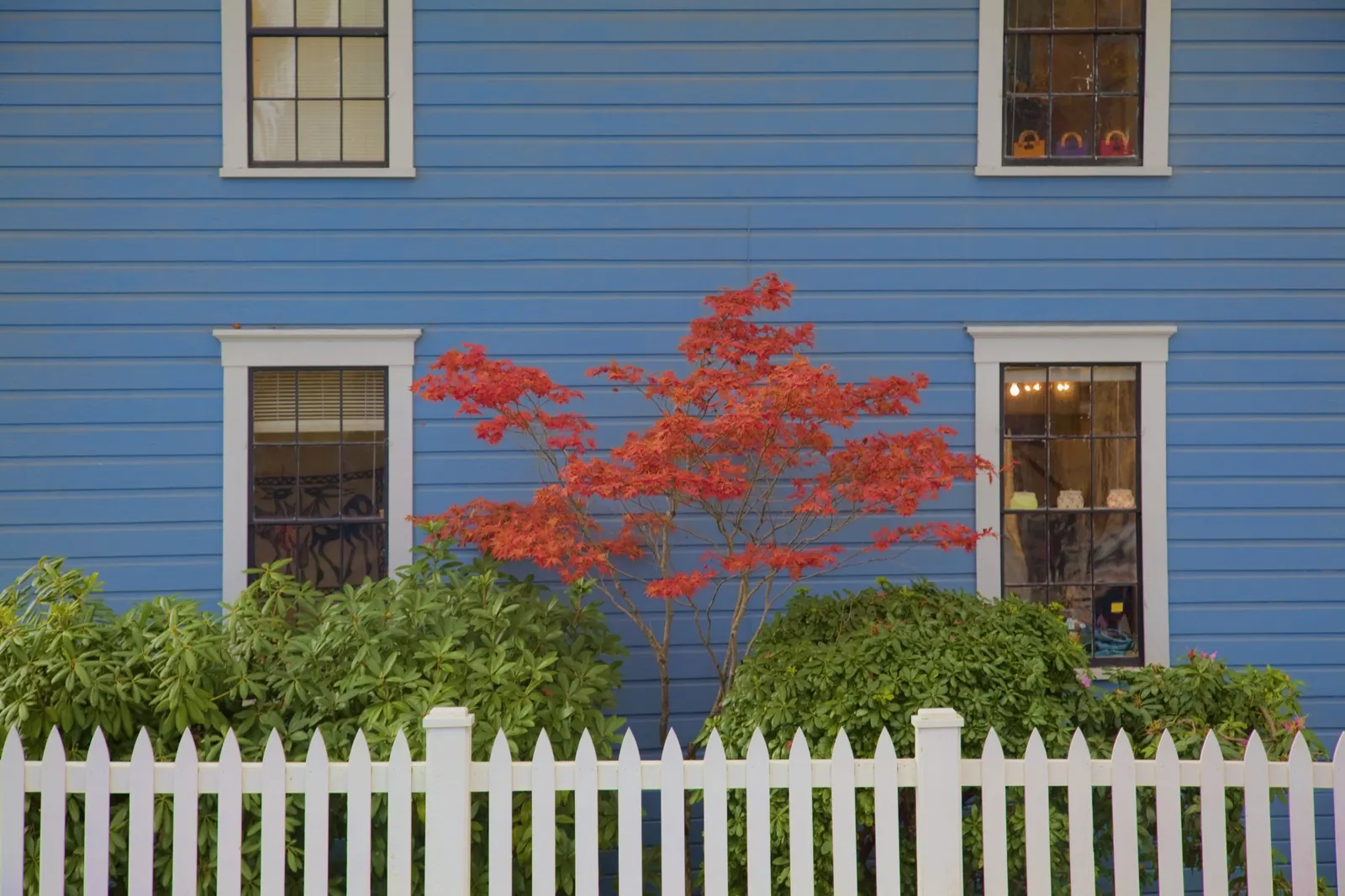
When your home's exterior looks grimy, the first instinct is to blast it clean. But choosing between power washing and soft washing is not just a matter of preference. It is a matter of protecting your investment.
This guide explains how each method works, which surfaces call for which approach, and why getting that decision wrong can cost you far more than the cleaning itself.
How Power Washing and Soft Washing Actually Work
Power washing uses a machine that pumps water at very high pressure, typically 1,500 to 4,000 PSI. That force strips away dirt, old paint, oil stains, and mildew from hard surfaces. It is effective and fast when applied to the right materials.
Soft washing operates at a much lower water pressure, usually 100 to 500 PSI, paired with a biodegradable cleaning solution. The chemical does the heavy lifting. It kills mold, algae, mildew, and bacteria at the root rather than simply blasting the surface layer away.
Why High Pressure Damages Cedar Shingles and Wood Siding
Cedar shingles are the defining exterior feature of thousands of Cape Cod homes, and they are also one of the most pressure-sensitive surfaces you can wash. At high PSI, water forces its way into the grain of the wood, lifting fibers, splintering edges, and opening gaps that allow moisture in. That moisture leads to rot, warping, and paint failure within a season.
Wood clapboard and fiber cement siding face similar risks. High pressure can push water under overlapping boards, behind window trim, and into areas that cannot dry out easily. Even newer PVC or composite siding can crack at seams or pop loose from mounting clips when hit at a close angle with 2,500 PSI or more. The damage is often not visible right away, which makes it easy to miss until it becomes a repair bill.
Surfaces That Belong to Power Washing
Concrete and masonry are built for high pressure. Driveways, walkways, patios, brick walls, and concrete foundations hold stains that soft washing solutions cannot fully break down on their own. Power washing cuts through years of motor oil, tire marks, ground-in dirt, and efflorescence without risking damage to the material itself.
Pool surrounds, retaining walls, and uncoated garage floors are other strong candidates. If a surface is hard, non-porous, and does not have a painted or stained finish you want to preserve, power washing is usually the right call. Even so, concrete should be cleaned at a reasonable distance and angle to avoid etching the surface.
Surfaces That Require Soft Washing
Roofs are the clearest case for soft washing. The black streaks on asphalt shingles are almost always Gloeocapsa magma, a cyanobacteria that feeds on the limestone filler in modern shingles. Power washing at any meaningful pressure strips granules off asphalt shingles, shortening the roof's life by years and voiding most manufacturer warranties. A low-pressure application of the right cleaning solution kills the organism and rinses it away without touching the granule layer.
Vinyl siding, aluminum siding, stucco, painted brick, EIFS, and most painted exterior surfaces should also be soft washed. The cleaning agent penetrates the biofilm growing on the surface, kills it, and the low-pressure rinse carries it off. You get a cleaner result with less risk of water intrusion than you would from blasting those surfaces with a pressure washer.
Decks: The Method Depends on the Material and Condition
Pressure-treated pine and composite decking can usually handle light power washing at 600 to 1,200 PSI from a fan tip held at an angle. The goal is to open the grain slightly for better stain absorption without leaving furrowed lines in the wood. If a deck has peeling stain, a stripping chemical is often needed first, and that process is closer to a soft-wash approach.
Older or weathered wood decks need more care. Soft washing with a deck cleaner followed by a low-pressure rinse can produce the same result without the risk of raising the grain or splintering boards. After either method, the deck needs adequate dry time before staining. Skipping that step is one of the most common reasons deck stain peels within a year.
How to Decide: A Quick Reference
The choice is straightforward once you think about the surface. Hard, non-porous, unpainted surfaces with deep stains: power wash. Porous, painted, coated, wood, or organic surfaces where living organisms are the actual problem: soft wash. Roofs, almost always soft wash. Concrete, almost always power wash.
When in doubt, start with the softer method. You can always go back and add pressure on a stubborn spot. You cannot undo damage from going too hard on cedar siding or a 15-year-old asphalt roof.
Getting It Right the First Time
On Cape Cod, salt air accelerates the growth of algae, mildew, and lichen on nearly every exterior surface. What looks like a simple dirt problem is often a biological one that requires the right chemistry, not just water pressure. Homes that sit close to the water or in shaded lots can develop visible growth within a single season after the last cleaning.
Coastal Premium Painting offers free estimates with no visit fee and same-day response. Reach out to get a straight answer on the right method before anything touches your home.
Frequently asked questions
- Can I power wash my vinyl siding?
- Technically vinyl can withstand moderate water pressure, but it is not the recommended approach. High pressure can force water behind the panels, crack seams, and loosen fasteners. Soft washing with a cleaning solution removes the algae and mildew that make siding look dirty and does not carry the same risk of water intrusion.
- How often should a roof be soft washed?
- Most roofs in New England benefit from cleaning every 3 to 5 years, depending on how much shade the roof gets and how close it sits to water. Heavily shaded roofs or those under overhanging trees may show regrowth faster. Catching algae early is easier and less expensive than waiting until the black streaks cover half the roof.
- Will power washing remove moss from my roof?
- Power washing can dislodge visible moss, but it also removes granules from asphalt shingles and usually leaves the root structure behind, so the moss returns faster than it would otherwise. Soft washing with a moss-killing solution treats the problem at the root and is significantly safer for the shingle surface.
- What pressure does soft washing use?
- Soft washing typically uses 100 to 500 PSI at the nozzle, which is roughly the same as a standard garden hose with a spray attachment. The cleaning results come from the chemical solution, not the pressure. This is why soft washing is safe for roofs, wood siding, and other surfaces that high pressure would damage.
Related services
Found this helpful? Make us a preferred source on Google.
Ready for an exact price?
Get a free, no-pressure in-home estimate. Real numbers for your home, not a phone guess.