
7 Signs Your House Needs Exterior Painting
· By Lucas Evangelista Rassilan
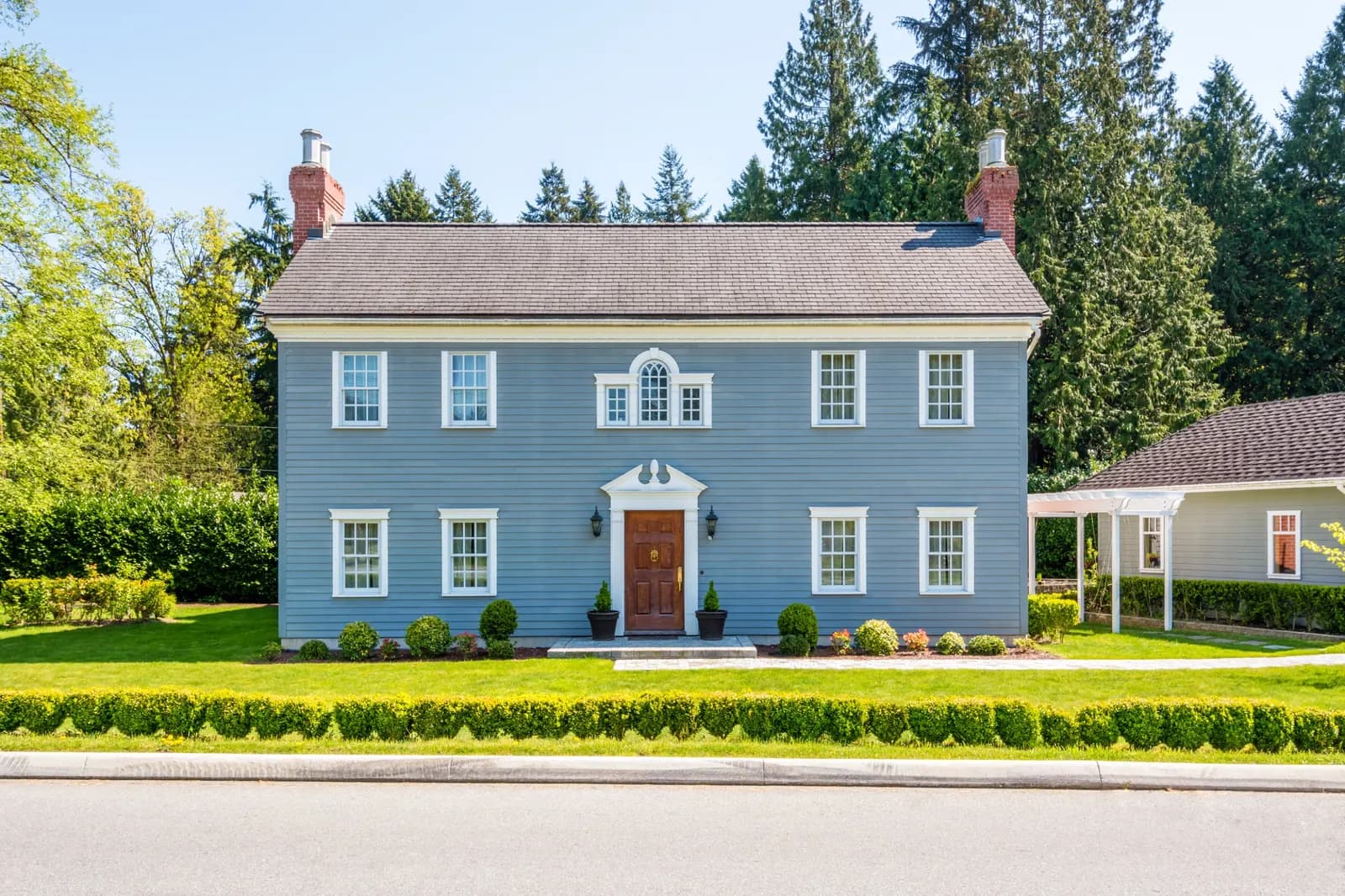
Cape Cod homes take a beating. Salt air, nor'easters, freeze-thaw cycles, and months of summer humidity all work against exterior paint. Knowing the signs your house needs painting early means you can address problems before they become expensive repairs.
These seven warning signs cover the most common issues found on New England homes. Some are obvious from the curb. Others only show up when you get close to the trim, window frames, and siding. All of them are worth taking seriously, because paint is the first line of defense between your wood and the weather.
Peeling or Flaking Paint
Peeling is the clearest sign that the paint film has failed. When water gets behind the film, it pushes the paint away from the surface in curls or sheets. On wood clapboard siding, this typically starts on south-facing walls that absorb the most sun and then spreads around the house.
Flaking paint exposes bare wood directly to moisture. Left unaddressed, that moisture causes the wood to swell, stain, and eventually rot. If you can see bare wood, or if the paint lifts cleanly when you press a fingernail to it, the surface needs scraping, priming, and a fresh coat before the next wet season.
Chalking: The Powdery Film That Rubs Off on Your Hand
Chalking happens when the paint binder breaks down over time. Run your hand across the siding and you come away with a white or colored powder. Some chalking is normal in older paint formulations and actually helps rain wash dirt off the surface, but heavy chalking means the paint has degraded to the point where it can no longer protect the wood.
Heavy chalk causes new paint to bond poorly. If you apply a fresh coat over chalky siding without washing the surface first, the new paint will peel within a year or two. A thorough power wash removes chalk residue and gives the topcoat a clean surface to grip. Skipping this step shortens the life of whatever goes on next.
Dark Stains and Mildew Growth
Black, gray, or green patches on the north side of a house are usually mildew or algae. These grow in shaded, damp areas with limited airflow. Homes near ponds, wooded lots, or low-lying areas of the Cape see it most often, but high summer humidity can push it onto any exposure.
Bleaching the surface treats the symptom, not the problem. The mildew spores are embedded in the paint film itself. The right repair is to clean and rinse the surface thoroughly, let it dry completely, and apply a topcoat that contains a mildewcide in the formula. That is what stops it from returning the following season.
Bare or Exposed Wood on Siding and Trim
Bare wood anywhere on the exterior is an immediate concern. Cedar shingles and clapboards perform well when coated, but raw wood absorbs water directly into the grain. That moisture causes checking, raised grain, and cracking over time. Cedar is naturally decay-resistant, but it still needs paint or stain to hold up long-term against coastal weather.
Pay close attention to the ends of boards, the top edges of window sills, and horizontal surfaces where water pools and dries slowly. These spots suffer the most. If you can see gray, weathered wood anywhere on the house, that area has been unprotected long enough that a full inspection makes sense before the next winter.
Failed Caulk Around Windows, Doors, and Trim
Caulk seals the gaps between siding, trim, windows, and doors. When it cracks, shrinks, or pulls away from the surface, water finds its way in. The most common failure points are the corners of window frames, the joint where trim meets siding, and the casings around exterior doors.
Failed caulk is one of the most frequent causes of interior water damage on older New England homes. Any repaint job should include a full caulk inspection and replacement of anything cracked or separated. New caulk without fresh paint on top does not last long, and paint without fresh caulk is an incomplete repair.
Fading, Uneven Color, or Staining
Paint fades unevenly. South and west walls receive more direct sun and lose color faster than the shaded north side. If the house looks like two different shades depending on where you stand, the paint has aged past the point where it looks right, even if it is not yet structurally failing.
Rust stains from nail heads, tannin bleed-through from cedar boards, and water streaks below windows all signal a thinning paint film. These are cosmetic problems now. After another season or two of weathering, the same areas will likely be peeling or exposing bare wood.
Soft Spots and Wood Rot
Press on the wood around window sills, porch posts, rake boards, and the bottom corners of door frames. If it gives under light pressure or feels spongy, there is rot underneath. Rot spreads. A soft spot the size of your palm today can be a foot wide by next spring after one more cycle of freeze and thaw.
Painting over rot does not fix it. The affected wood needs to be cut out and replaced, the area primed with a penetrating oil-based product, and then painted. If you catch rot in one board, the repair is straightforward. If it has been spreading for several seasons, the scope grows quickly and the cost follows.
If you are noticing soft spots or any of the other signs covered here, a free estimate from Coastal Premium Painting gives you an honest picture of what you are working with and exactly what it will take to protect your home properly.
Frequently asked questions
- How often does exterior paint need replacing on a New England home?
- Most exterior paint on a wood house lasts 7 to 10 years with proper prep and quality materials. Vinyl siding can go longer. Homes in coastal areas, where salt air and humidity are more intense, sometimes see shorter lifespans. The condition of the paint matters more than the calendar, so inspect every few years rather than painting on a fixed schedule.
- Can you paint over peeling paint?
- No. Painting over peeling paint is the most common shortcut that leads to early failure. The new coat bonds to the old loose paint, not the wood, and peels off in the same pattern within a year or two. The correct approach is to scrape all loose material back to a firm edge, spot-prime any bare wood, and then apply the topcoat. Skipping the prep means doing the job twice.
- What is the best time of year to paint a house exterior in New England?
- Late spring through early fall is the ideal window, roughly May through October. Paint needs temperatures above 50 degrees and low humidity to cure and bond properly. In New England, avoid painting right after rain or before a forecast frost. Many homeowners schedule work in September and early October when humidity drops and temperatures are still warm enough for good adhesion.
- How do I tell the difference between mildew and fading?
- Fading is a uniform lightening of color caused by UV exposure, most visible on sun-facing walls. Mildew appears as dark spots or patches, usually on shaded north-facing surfaces or under overhangs where things stay damp. Wipe a dark area with a damp cloth: if it smears or partially cleans up, it is likely mildew. If the wall is simply lighter overall, that is fading.
Related services
Found this helpful? Make us a preferred source on Google.
Ready for an exact price?
Get a free, no-pressure in-home estimate. Real numbers for your home, not a phone guess.