
Interior Painting Process: What to Expect Start to Finish
· By Lucas Evangelista Rassilan
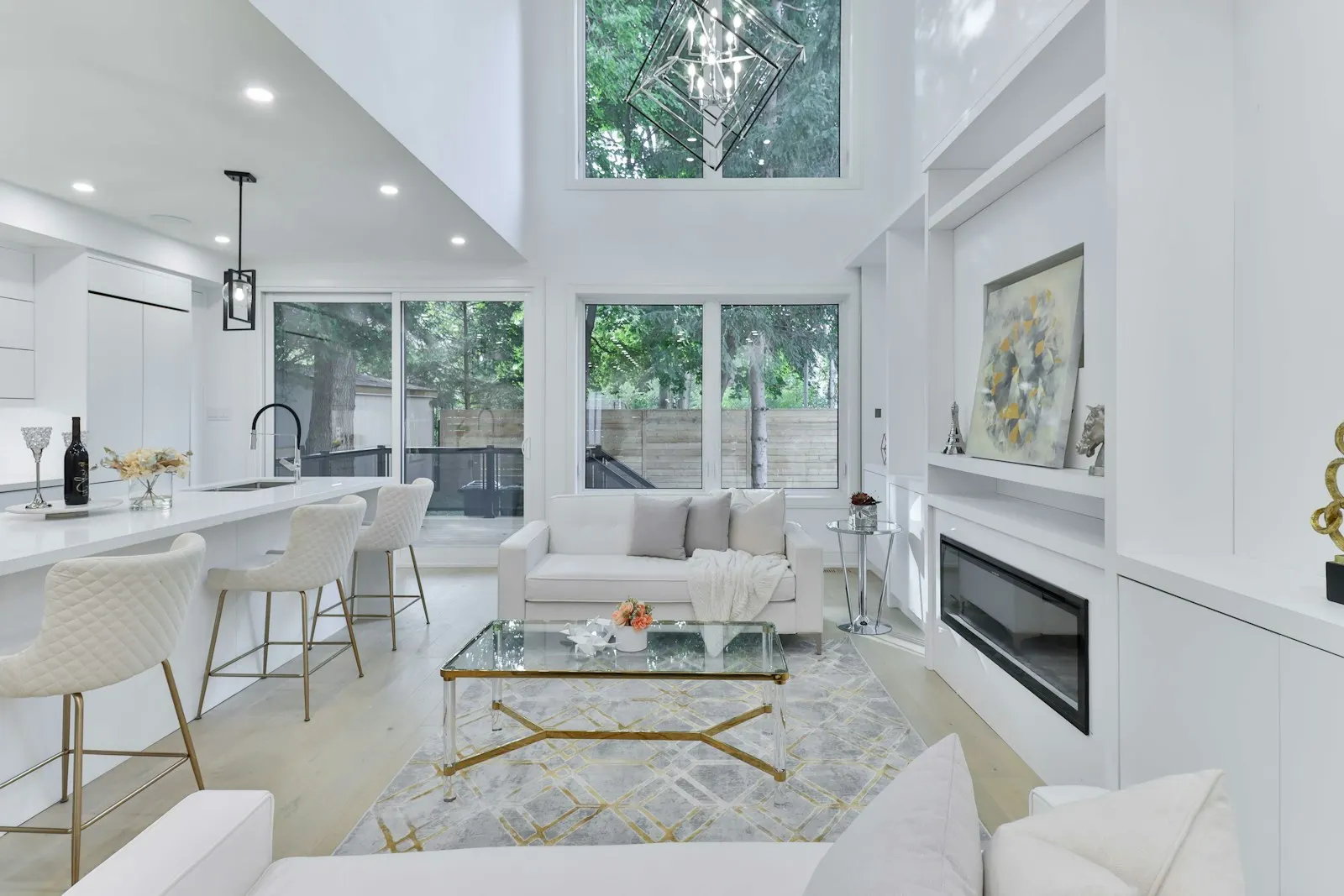
Most homeowners have one main question before a painting project starts: what is actually going to happen inside the house? The interior painting process, done right, follows a logical sequence from estimate through cleanup. Understanding each step removes the guesswork, helps you prepare your space, and lets you hold your painter accountable at every stage.
This guide walks you through what a professional interior painting project looks like from first contact to final walkthrough. Whether you are painting one room or the whole house, the steps are the same. The timeline varies by scope, but the method is consistent, and knowing it in advance makes the entire experience smoother.
Step 1: The Free Estimate
Before any work begins, a professional painter walks the space with you. They look at the walls, ceilings, trim, doors, and windows. They note existing damage, the number of colors, the finish requested, the condition of the current paint, and anything that needs special attention. A thorough estimate takes 20 to 45 minutes depending on scope.
At Coastal Premium Painting, every estimate is free and includes same-day response. The estimate spells out exactly what gets painted, what prep is included, the number of coats, and the payment terms. You get a clear picture of the job before you commit to anything.
Step 2: Protecting Floors, Furniture, and Trim
On the first day of work, prep takes priority over paint. Furniture gets moved away from the walls or covered with drop cloths. Canvas drop cloths go down on the floors. Outlet covers and switch plates come off. Tape goes along baseboards, door frames, and ceiling lines. The goal is a clean edge and zero drips on surfaces that are not being painted.
In older Cape Cod homes, prep can take longer than expected. Wavy plaster walls, irregular trim profiles, and painted-over hardware all add time. A painter who rushes prep is a painter who charges you for touch-ups later. The prep stage is where the real work starts.
Step 3: Wall Repair and Surface Preparation
Fresh paint over damaged walls shows every flaw. Dents, nail pops, cracks, and water stains all need to be addressed before primer goes on. Small drywall patches, skim coating, sanding, and caulking are part of the standard prep on most interior jobs. For older New England homes, filling hairline cracks in plaster is common work.
Stains from water damage or smoke need a shellac-based stain blocker before the topcoat. Without it, they bleed through even two coats of premium paint. Identifying these issues during the estimate means no surprises on the bill. Surface prep is what separates a job that looks good for two years from one that holds up for ten.
Step 4: Primer and Why It Matters
Primer is not optional on a repaint where the color is shifting dramatically, on fresh drywall, over repairs, or on surfaces that have not been painted in years. Primer seals the surface, evens out porosity, and gives the topcoat something solid to bond to. Skipping primer to save time is one of the most common shortcuts painters take, and it shows within a year.
On most interior jobs, one coat of primer is enough. Some situations call for two, particularly over heavy stains or when going from a dark color to a light one. Latex primer is standard for most interior walls. Oil-based primer goes on bare wood trim and over stubborn stains. A professional knows the difference and uses the right product for the surface.
Step 5: Applying the Paint Coats
Professional painters typically apply paint in a consistent sequence: cut in along edges with a brush first, then roll the field. This method keeps wet edges active and reduces lap marks. The first coat goes on and dries, then the room gets a careful inspection in strong light before the second coat. Two coats of finish paint over primer is the standard for a job that lasts.
In humid coastal climates like Cape Cod, drying times can vary. High humidity in summer can slow the window between coats, especially near the shore. A good painter accounts for this in scheduling and does not rush the process. Forcing a second coat onto a surface that has not fully dried causes peeling within months.
Step 6: Daily Cleanup and Respect for Your Space
A professional crew cleans up at the end of every workday. Brushes and rollers get washed or sealed. Tape stays in place but is not left to dry out for days. Drop cloths stay down over active areas. The rooms you are not using should remain accessible to your household throughout the project. Living around a painting crew is easier when the site stays organized.
At the end of the job, all tape comes off, drop cloths get removed, outlet covers go back on, and furniture returns to its place. Touch-up paint in the original color gets left with you for any spot that shows up later. The house should look finished, not like a job site, within a few hours of the final coat drying.
Step 7: The Final Walkthrough and What Happens After
Before the painter signs off, walk through the space together in good light. Check every wall at an angle, look at the edges along trim and ceiling lines, open and close doors to check for paint on hardware, and inspect corners. A good painter wants you to find anything that needs a touch-up before the job closes, not after.
At Coastal Premium Painting, the guarantee is simple: if something is not right, the crew comes back and fixes it at no cost. This kind of warranty is only possible when the work is done right from prep through final coat. To schedule a free estimate on your interior painting project, call or text (508) 299-9510.
Frequently asked questions
- How long does a typical interior painting project take?
- A single room with normal prep takes one to two days for a professional crew. A full house interior with multiple rooms, trim, ceilings, and wall repairs typically runs five to ten days depending on scope and the number of workers on site. Your estimate will include a projected timeline specific to your job.
- Do I need to move my furniture before the painters arrive?
- Moving smaller items and clearing wall art before the crew arrives helps speed things up. Large furniture like sofas and dining tables can usually be moved to the center of the room by the painters and covered with drop cloths. Fragile or valuable items should be removed from the work area entirely before the team starts.
- How many coats of paint does a professional interior job include?
- Most professional interior painting jobs include one coat of primer and two coats of finish paint. Some surfaces need an extra coat, particularly when making a dramatic color change or painting over a glossy finish. Your estimate should spell out the number of coats included so there are no surprises.
- What do I do if I notice a problem after the painters leave?
- Contact the painter directly and describe what you see with a photo if possible. A reputable professional will schedule a time to come back and address the issue at no cost. At Coastal Premium Painting, the warranty covers exactly this: if something is not right after the job, the crew returns and fixes it.
Related services
Found this helpful? Make us a preferred source on Google.
Ready for an exact price?
Get a free, no-pressure in-home estimate. Real numbers for your home, not a phone guess.